
Limonium nydeggeri
Limonium nydeggeri
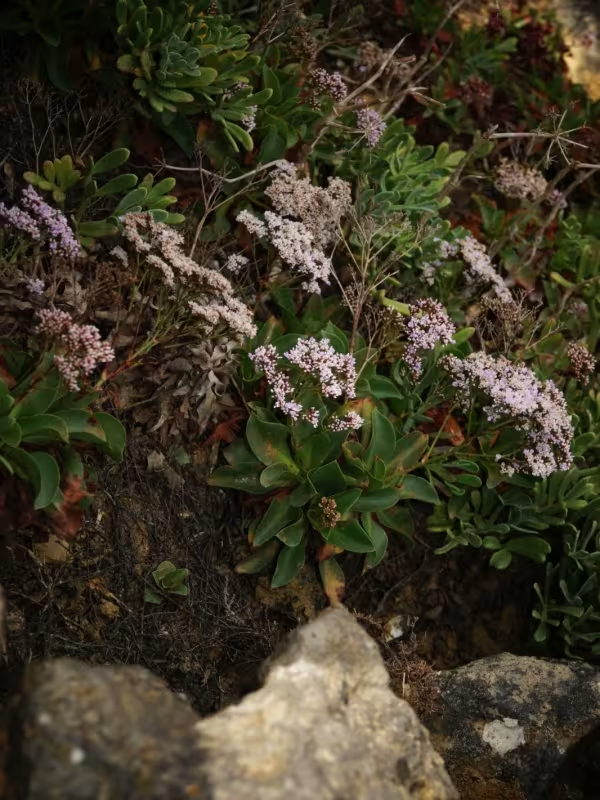
Description
Sowing dates
Sowing Limonium nydeggeri typically begins in late winter or early spring in a greenhouse setting to establish a robust root system before the growing season. Seeds require a period of stratification to break dormancy; placing them in a cold, moist environment for two weeks significantly improves germination rates.
The seeds should be surface-sown on a well-draining, sterile potting mix, as they require light to germinate effectively. Covering them with a thin layer of fine sand is sufficient to keep them in place while allowing necessary light penetration. Maintaining a temperature range of 18–20°C is crucial for uniform sprout emergence.
Once the seedlings develop two pairs of true leaves, they should be transplanted into individual pots to avoid root competition. Care must be taken during this phase, as the plant develops a fragile taproot that does not tolerate disturbance well. Using biodegradable pots can help mitigate transplant shock.
Acclimatizing the plants to outdoor conditions should be done gradually over a ten-day period before final transplanting. This hardening-off process prepares the seedlings for wind, temperature fluctuations, and direct sunlight, ensuring higher survival rates once they are moved to their permanent location.
The optimal time for field transplanting is after the last spring frost. Spacing the plants 30–40 cm apart provides adequate ventilation and space for growth, which is vital for preventing moisture buildup around the base of the plant during the later development stages.
Growing requirements
Limonium nydeggeri thrives in sunny, open locations as it belongs to the Plumbaginaceae family and requires significant light exposure to bloom profusely. Shaded areas lead to weak, lanky stems that lack the structural integrity needed for commercial use as cut flowers.
The soil must be sandy or gravelly, offering excellent drainage. Heavy, clay-based soils are unsuitable unless they are heavily amended with organic matter and grit, as the plant is highly susceptible to root rot in waterlogged conditions. A neutral to slightly alkaline soil pH is ideal for optimal nutrient uptake.
This species is exceptionally drought-tolerant once established, making it an excellent choice for low-maintenance landscapes. However, in professional production environments, moderate watering during the initial growth phase helps maximize the size and quality of the flower stalks.
The plant performs best in climates with warm, dry summers. It is sensitive to high atmospheric humidity, which promotes fungal infections and limits its range in humid coastal or tropical areas. Good airflow around the plants is essential for maintaining plant health and preventing bacterial blight.
Fertilization should be handled with care; excessive nitrogen promotes lush leaf growth at the expense of flower production and can make the plant more susceptible to winter frost. A balanced, low-nitrogen fertilizer applied sparingly during the early growth stages is generally sufficient.
Main diseases and pests
The most common disease affecting Limonium nydeggeri is powdery mildew, which manifests as a white, dusty layer on the foliage. This condition is triggered by high humidity levels and lack of ventilation, and if left untreated, it can severely degrade the quality of the marketable flower harvest.
Root rot, primarily caused by Pythium and Phytophthora species, is a major threat in poorly drained soils or over-irrigated crops. Prevention involves maintaining a strict irrigation schedule and ensuring that the plant base remains dry, with adequate drainage provided by soil composition.
Aphids are frequent pests that congregate on the flower buds, sucking sap and causing deformity to the inflorescences. Integrated pest management, including the use of systemic insecticides or biological controls like ladybugs, is necessary to keep infestation levels below the economic threshold.
Spider mites can become an issue during periods of extreme heat and prolonged drought. They thrive in dusty, dry conditions and can cause the foliage to yellow and drop prematurely. Regular monitoring and the application of appropriate miticides are required if populations spike significantly.
Slugs and snails can cause mechanical damage to young plants, particularly during the early spring. Utilizing crushed stone or gravel as mulch around the base of the plants acts as a physical barrier, deterring these mollusks from reaching the tender foliage without the need for chemical baits.
Harvesting
Harvesting Limonium nydeggeri for the dried flower market requires precise timing; the stems should be cut when the florets are fully open but before they begin to fade or drop. Harvesting during the mid-morning, after the dew has evaporated, ensures the plant is dry, preventing mold during storage.
Stems should be cut at the base of the plant using sharp, sanitized shears to prevent the spread of diseases. Immediate grouping into small, manageable bundles is recommended to maintain the upright posture of the stems and ensure even drying throughout the bundle.
Drying must take place in a shaded, well-ventilated area. Direct sunlight is strictly avoided as it causes rapid degradation of the flower color, turning vibrant hues into dull, bleached shades. Hanging the bundles upside down allows gravity to assist in maintaining straight, attractive stems.
The drying process usually lasts between two to three weeks depending on ambient humidity levels. During this time, the bundles should be inspected periodically for any signs of moisture retention, especially in the center of the bundle where airflow is naturally more restricted.
Once fully dried, the flowers should be stored in a cool, dark, and dry environment. To maintain their longevity, they can be treated with a light spray of floral preservative or fixative. Proper storage prevents color fading and keeps the dried inflorescences in premium condition for decorative use.