
Limonium multiflorum
Limonium multiflorum
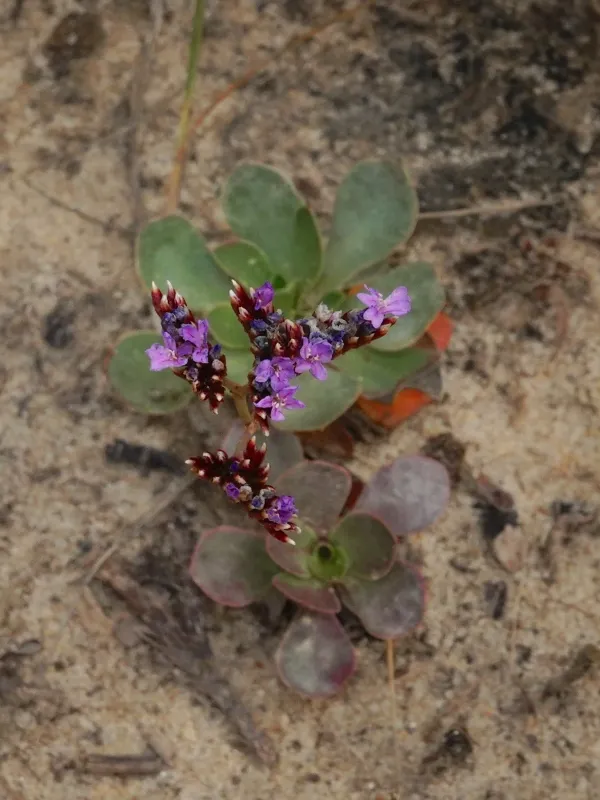
Description
Sowing dates
Sowing Limonium multiflorum seeds for seedlings is typically performed in late February or early March. The seeds benefit from a period of cold stratification to increase germination rates and ensure a uniform crop emergence.
Seedlings should be transplanted into open soil once the risk of spring frosts has completely passed. In most regions, this corresponds to late May, allowing the soil to warm up sufficiently for active root establishment.
Proper spacing is crucial for this species, with a recommended distance of 30–40 centimeters between individual plants. This density prevents overcrowding, which is essential to reduce humidity trapped in the foliage.
Direct sowing in the field is only recommended for southern climates with long growing seasons. In more temperate regions, starting the process indoors is the standard professional practice to ensure mature plants.
Supplemental lighting is often required during the early stages of seedling development in indoor environments. This helps to form robust leaf rosettes and prepares the plant for a healthy transition to the field.
Growing requirements
Limonium multiflorum is a member of the Plumbaginaceae family, characterized by its adaptation to dry, sandy, or stony environments. It thrives as a xerophytic plant with deep root systems.
Full sun exposure is an absolute necessity for this species. Any form of shading significantly impacts the quality and number of flower spikes, often leading to leggy growth and pale coloration.
The plant is highly drought-tolerant and strictly requires well-drained soil. Poor drainage, especially in winter, often leads to fatal root rot, making site selection critical for commercial success.
Light, sandy loam soils with a neutral to slightly alkaline pH are ideal. The species is known for its tolerance to moderate soil salinity, which is consistent with its natural habitat in coastal regions.
Excessive fertilization, particularly with nitrogen, should be avoided as it stimulates vegetative growth at the expense of floral display and reduces the plant's overall stress tolerance.
Yield
The commercial utility of Limonium multiflorum is primarily focused on the production of high-quality cut flowers and preserved dried arrangements. Productivity is measured by the quantity and length of flower stems.
Yield stability is achieved through meticulous moisture management and site selection. A healthy, mature plant can produce between 10 and 15 flowering stems throughout a single growing season.
Harvesting is performed when the flowers are fully open. Proper timing is vital; if harvested too late, the flowers may lose their color intensity or structural integrity during the drying process.
In large-scale production, drip irrigation systems are used to deliver water precisely to the root zone without wetting the foliage. This reduces the incidence of disease and protects the delicate florets.
Post-harvest, the product must be dried in controlled, dark environments. This preservation technique ensures the longevity and color retention of the inflorescences for floral industry use.
Main diseases and pests
Root rot, caused by Fusarium or Phytophthora fungi, is the primary threat to Limonium multiflorum. These pathogens thrive in waterlogged conditions and represent a significant risk to overall crop health.
Powdery mildew often affects the leaves during periods of high ambient humidity or poor air circulation. Regular fungicide applications and wide plant spacing are the main control strategies.
Aphids and spider mites are common pests that can infest the stems and leaves, causing damage to the plants. Systemic insecticides are effective if pest populations exceed the economic threshold.
The larvae of certain moth species can cause localized damage to the rosettes. Monitoring for larvae and early intervention is necessary to prevent significant yield losses in commercial fields.
Adhering to strict crop rotation schedules is essential for long-term production. Limonium should not be replanted in the same soil for at least three to four years to break pathogen life cycles.
Harvesting
Harvesting should occur on a dry, sunny day after morning dew has completely evaporated. This practice minimizes the risk of mold formation during the subsequent drying phase.
Stems are bundled into manageable sizes to ensure good airflow. They are hung upside down in a shaded, well-ventilated space to maintain straight stems and structural integrity while drying.
Direct exposure to sunlight during the drying process must be avoided to prevent pigments from fading. The drying period typically lasts between one to three weeks until the material is fully cured.
Once dried, the flowers become brittle yet durable, suitable for long-term storage or artistic arrangement. They should be stored in a cool, dry place to maintain their decorative value.
Properly cured Limonium multiflorum can retain its aesthetic appeal for several years, making it a valuable and sustainable product for the global dried flower market.