
Limonium lowei
Limonium lowei
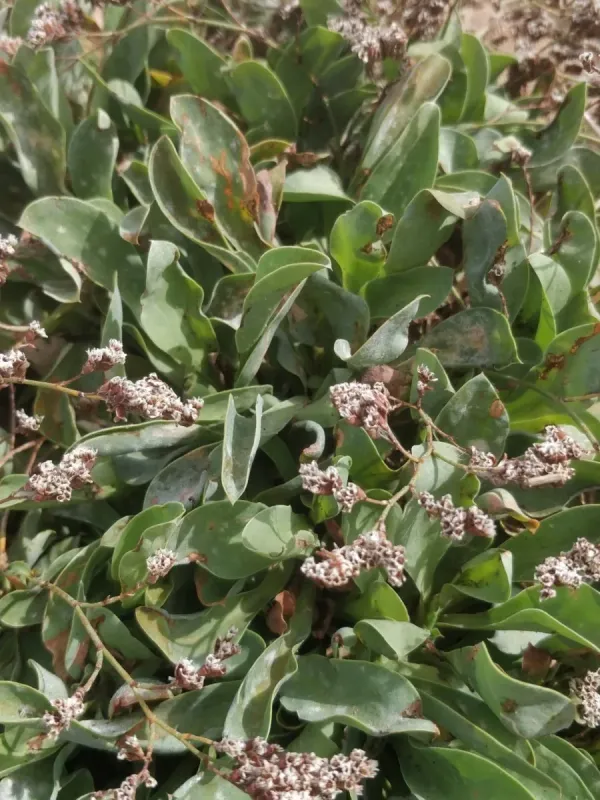
Description
Sowing dates
Limonium lowei is a species belonging to the Plumbaginaceae family. In agricultural practices, seeds are typically sown in greenhouse trays during late winter to ensure a long growing season for the plants.
Due to the hard seed coat, pre-sowing treatments such as mild stratification or soaking in warm water can significantly improve the germination rate and uniformity of the seedlings.
Optimal germination requires consistent temperatures between 18 and 20 degrees Celsius. Seedlings should be grown in a well-lit environment to prevent etiolation and promote stocky growth.
Pricking out should be done carefully once the first true leaves emerge. Because of their taproot system, the plants are sensitive to root disturbance, so using individual pots is highly recommended.
Transplanting into the field is carried out in late spring, once the threat of frost has passed and the soil has sufficiently warmed up to support active root development.
Growing requirements
This species thrives in full sun exposure. Sunlight is essential for the development of the characteristic dense, colorful inflorescences that define its commercial value.
Soil requirements focus on excellent drainage. Limonium lowei is highly susceptible to root diseases if planted in heavy, waterlogged, or clay-based soils, so sandy or gritty substrates are preferred.
The plant demonstrates a tolerance for slightly saline soil conditions, reflecting its ecological adaptability to coastal or Mediterranean-type environments where natural minerals may accumulate.
Irrigation management is critical; while the plants need water for establishment, they are relatively drought-tolerant once mature and require a drier environment to maintain longevity.
Fertilization should be balanced, with a focus on phosphorus and potassium to encourage robust flowering stems rather than excessive foliage growth, which could harbor humidity.
Main diseases and pests
The primary threats to Limonium lowei are fungal pathogens such as Botrytis and powdery mildew, which flourish under high humidity and poor ventilation conditions.
Pests including aphids and spider mites are frequent threats that not only damage the foliage but can also serve as vectors for various plant viruses affecting stem quality.
Preventative measures involve maintaining proper spacing between plants, which is essential to allow air circulation and keep the plant canopy dry after rainfall or irrigation.
In case of severe infestations or infections, targeted fungicide and insecticide applications are necessary, always following the label instructions for ornamental crops.
Regular monitoring and physical removal of infested plant material are highly effective non-chemical strategies to prevent the spread of diseases within the production area.
Harvesting
Limonium lowei is commercially cultivated primarily for its use as a premium dried flower, valued for its ability to retain color and structural integrity after dehydration.
Harvesting is performed when the flowers are fully open. Timing is crucial; harvesting too early leads to limp stems, while harvesting too late may result in color fading.
Post-harvest processing involves bundling the stems and hanging them upside down in a dark, dry, and well-ventilated space to ensure even and rapid moisture evaporation.
Proper drying is essential to prevent stem decay and ensure the final product meets high-quality industry standards for long-term decorative applications.
After the harvest season, fields should be thoroughly cleaned of plant debris to minimize the risk of over-wintering pests and diseases that could threaten future production cycles.