
Limonium lobatum
Limonium lobatum
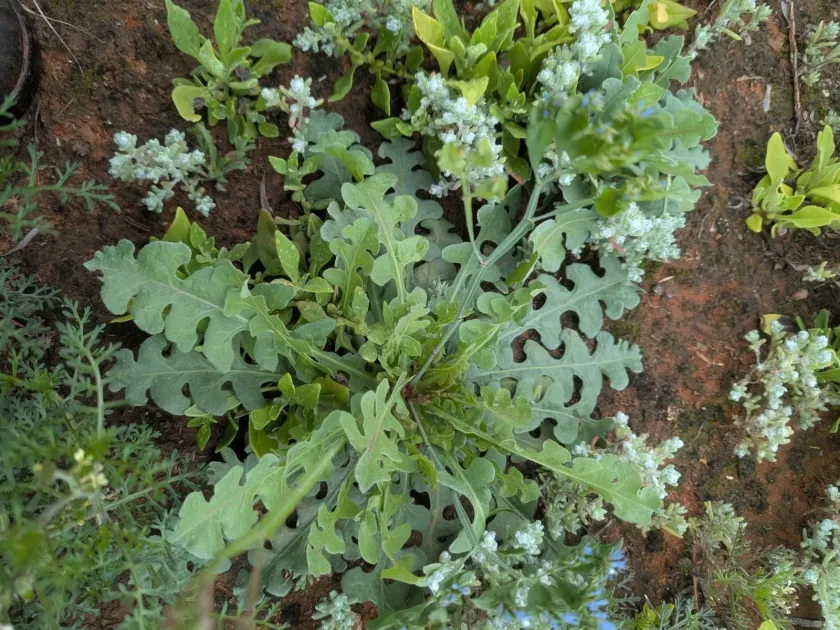
Description
Sowing dates
Limonium lobatum is a warm-season crop that thrives when sown in late spring, specifically once the danger of late frost has completely passed in the region.
For container-grown seedlings, start seeds indoors in late winter to ensure they are ready for transplanting as soon as the weather becomes consistently mild.
Maintain an ambient temperature of approximately 18 to 22 degrees Celsius to facilitate germination, which typically occurs within two weeks of sowing.
Use a well-draining, sterile seed-starting mix and cover seeds only lightly, as they require a minimal amount of light to trigger optimal germination.
Gradual hardening off of the seedlings is essential to prepare them for the harsh conditions of the open field and prevent transplant shock after placement.
Growing requirements
This species, belonging to the Plumbaginaceae family, requires full sun exposure and performs best in open locations with high solar radiation levels.
Well-drained, sandy, or light loam soils with a neutral to slightly alkaline pH are ideal for the physiological development of the root system.
Limonium lobatum is recognized for its exceptional drought tolerance, making it an excellent candidate for water-scarce agricultural environments.
Avoid heavy clay soils or areas prone to waterlogging, as excessive moisture often leads to root rot and premature plant death during the growing season.
Minimal fertilization is required; however, a balanced, low-nitrogen approach can encourage sturdy flower stalk development without forcing excessive vegetative growth.
Main diseases and pests
Botrytis and various fungal pathogens pose the most significant risk to the plant, particularly in humid or stagnant air conditions during the flowering stage.
Powdery mildew can manifest as a white film on leaves if plant spacing is too dense, restricting the necessary airflow between individual specimens.
Aphids and spider mites are common pests that target the terminal buds and leaves, often causing reduced growth and distorted inflorescences if left untreated.
Soil-dwelling larvae can sometimes damage the roots, which necessitates a proactive approach to soil health and crop rotation to mitigate pest accumulation.
Effective management includes maintaining proper distance between rows, timely weeding, and using targeted fungicides or insecticides only when pressure is high.
Harvesting
The optimal time for harvesting is when the inflorescences are fully expanded and the color is at its peak intensity, before the florets begin to fade.
Harvesting should be performed in the morning after the dew has evaporated to ensure the plant material is dry before the drying process begins.
Gather the stems into small, loose bunches and hang them upside down in a darkened, dry environment to preserve their vibrant natural colors.
Adequate ventilation in the drying area is crucial to prevent mold growth on the stems while they are losing moisture to reach their dried state.
Once dried, the flowers should be kept away from direct sunlight to maintain the integrity of their appearance for long-term decorative use in floral design.