
Limonium hypanicum
Limonium hypanicum
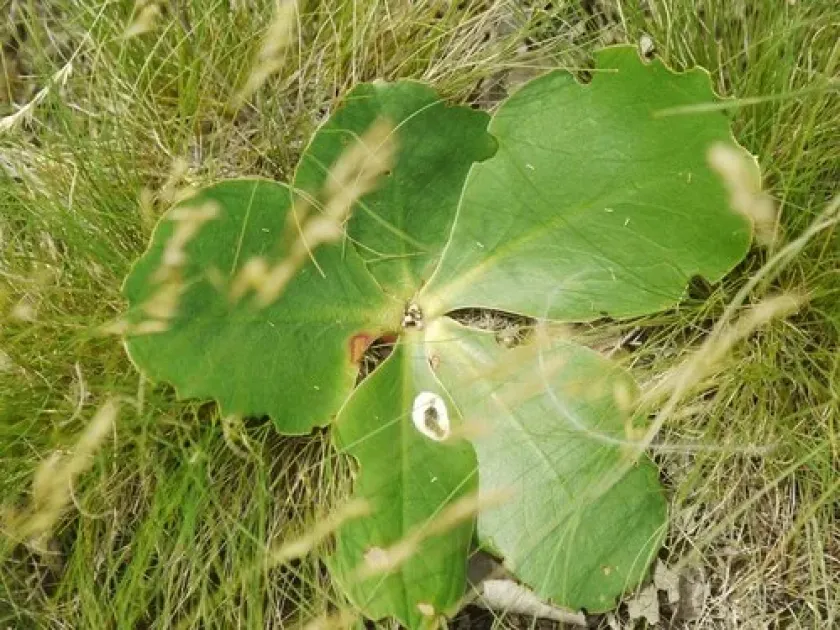
Description
Growing requirements
Limonium hypanicum is a perennial herbaceous plant belonging to the Plumbaginaceae family. It is a strictly regional endemic species, primarily found along the banks of the Southern Bug River, representing a rare component of local biodiversity.
As a xerophyte, this plant is perfectly adapted to arid conditions and soils with high salinity levels. It typically thrives in rocky outcrops and steppe environments where most agricultural crops would struggle to survive.
Full sun exposure is a mandatory requirement for the healthy development of this species. Any form of shading or competition from tall vegetation can lead to stunted growth and reduced vigor, eventually resulting in the loss of the plant.
The ideal soil profile for Limonium hypanicum consists of well-drained, porous materials with an alkaline or neutral pH. Efficient drainage is crucial, as the plant cannot tolerate waterlogged soils, which lead to rapid root degradation.
The plant demonstrates significant physiological resilience to high temperatures and prolonged dry spells. Its deep taproot system allows it to access deeper soil moisture, maintaining metabolic processes even during severe summer droughts.
Main diseases and pests
Root pathogens represent the most significant threat to Limonium hypanicum, especially when cultivated in soils that lack proper aeration or are subject to excessive irrigation.
Fungal diseases, such as powdery mildew, may emerge if the plant is exposed to high humidity and poor ventilation. Maintaining a dry, airy environment is essential for disease prevention in a controlled cultivation setting.
Pests, particularly aphids, can colonize the inflorescences during the flowering stage, potentially impacting seed production and overall plant health if left untreated.
Habitat loss due to land development and changes in grazing patterns pose a long-term threat to wild populations, often leading to soil compaction and increased invasive species pressure.
Competition from more aggressive, non-native plant species remains a critical concern, as they can outcompete the slower-growing Limonium hypanicum for nutrients and sunlight in their natural habitats.