
Limonium hybrid
Limonium hybrids
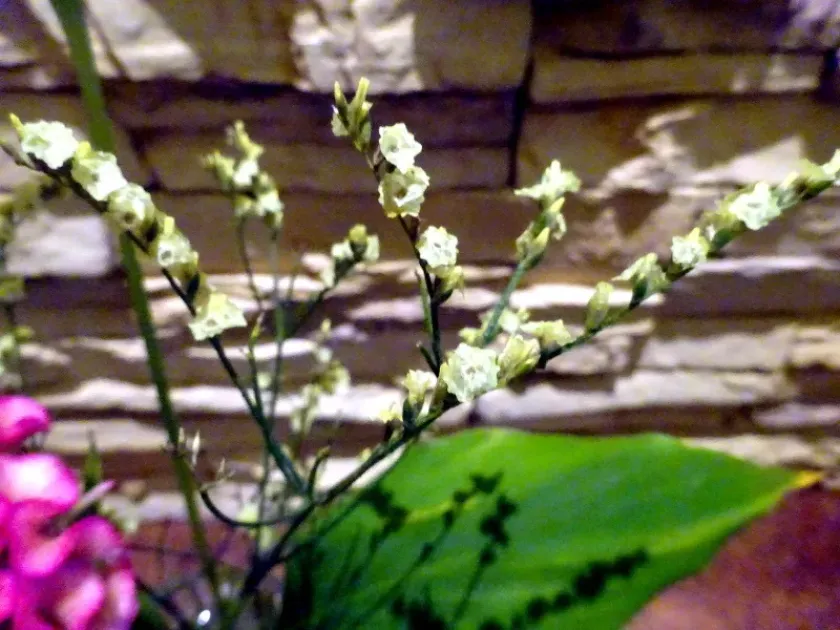
Description
Sowing dates
The propagation of Limonium hybrids is typically achieved through seed sowing in late winter to early spring. Starting indoors in trays or individual cells is essential to establish a strong root system before the final transplanting.
Seeds should be covered with a very thin layer of substrate and kept in a warm environment, ideally between 20°C and 22°C. Germination usually occurs within two to three weeks under consistent moisture and light.
As the plants are highly sensitive to root disturbance, it is advisable to use biodegradable pots or plug trays. This approach allows for a seamless transition into the open field without damaging the sensitive taproot.
Transplanting to the final site should occur once the risk of frost has completely passed. Proper spacing, ranging from 30 to 40 centimeters, is crucial to promote airflow and reduce the incidence of fungal diseases.
Direct seeding in the field is possible in regions with long growing seasons, though it is often less reliable than starting with transplants, which offer a more controlled growth environment.
Growing requirements
Limonium hybrids belong to the Plumbaginaceae family. They are photophilous plants that thrive in full sun, requiring at least six to eight hours of direct light daily to ensure vigorous blooming.
The ideal soil for Limonium is sandy, well-draining, and nutrient-poor. The plants are extremely sensitive to waterlogged conditions, which lead to rapid root rot and overall plant decline.
These plants are highly drought-tolerant, adapted to arid and semi-arid environments. Once established, they require minimal supplemental irrigation, making them an excellent choice for water-conscious farming.
High nitrogen levels in the soil should be strictly avoided. Excess nitrogen encourages excessive foliage growth while inhibiting flower production, which is the primary economic goal for commercial growers.
Maintaining a neutral to slightly alkaline soil pH is recommended. Minimal fertilization with a balanced, phosphorus-rich formula during the budding stage is sufficient to support maximum flower output.
Yield
Commercial yields of Limonium hybrids are measured by the quality and quantity of marketable flower stems. These plants are highly sought after in the dried flower industry due to their longevity and color retention.
With precise cultivation techniques, a grower can expect a high harvest density per hectare. The plants continue to produce stems throughout the season if harvested consistently and correctly.
The dried flower market values Limonium for its structural integrity. Properly harvested and cured stems maintain their aesthetic appeal for years, providing a shelf-stable commodity for floral designers.
Strategic harvesting cycles, involving the removal of spent blooms, encourage the plant to divert energy into new stems, effectively extending the productive life of the crop.
Quality management during the curing process is the primary factor affecting the final yield value. Ensuring stems are fully developed before harvest maximizes the color depth and durability of the finished product.
Main diseases and pests
Fungal pathogens are the most significant threat to Limonium crops, especially in high-humidity climates. Powdery mildew and root rot are the most frequent issues, often exacerbated by poor ventilation.
Proactive disease management involves maintaining wide spacing between plants and ensuring that the soil drainage systems are operating efficiently to prevent standing water.
Pests such as aphids and spider mites can cause significant damage during dry spells. They primarily feed on the tender flower buds, leading to unsightly deformities in the final bouquet stems.
The use of systemic insecticides should be managed with caution, particularly when the plants are in full bloom, to protect essential pollinators and beneficial insect populations.
Field sanitation is a critical aspect of pest control. Removing weeds and crop debris helps break the life cycles of common pests and prevents the buildup of fungal spores in the soil environment.
Harvesting
The harvest phase for Limonium hybrids requires precise timing. Stems should be cut when the florets are fully open and vibrant, as harvesting too early results in poor color retention during drying.
Once harvested, stems must be bundled and hung upside down in a dark, cool, and airy location. Avoiding direct sunlight is essential, as UV rays break down the natural pigments and fade the colors.
Handling during harvest should be gentle to avoid bruising the delicate florets. Once cured, the stems are remarkably durable, allowing for efficient packing and transport to market.
Storage of the finished dried product should be in an environment with low humidity. This prevents moisture re-absorption, which can lead to mold growth and compromise the structural stability of the stems.
By following proper post-harvest protocols, growers ensure that their Limonium remains a high-quality, professional-grade product that meets the stringent requirements of the decorative floral market.