
Greek sea lavender
Limonium graecum
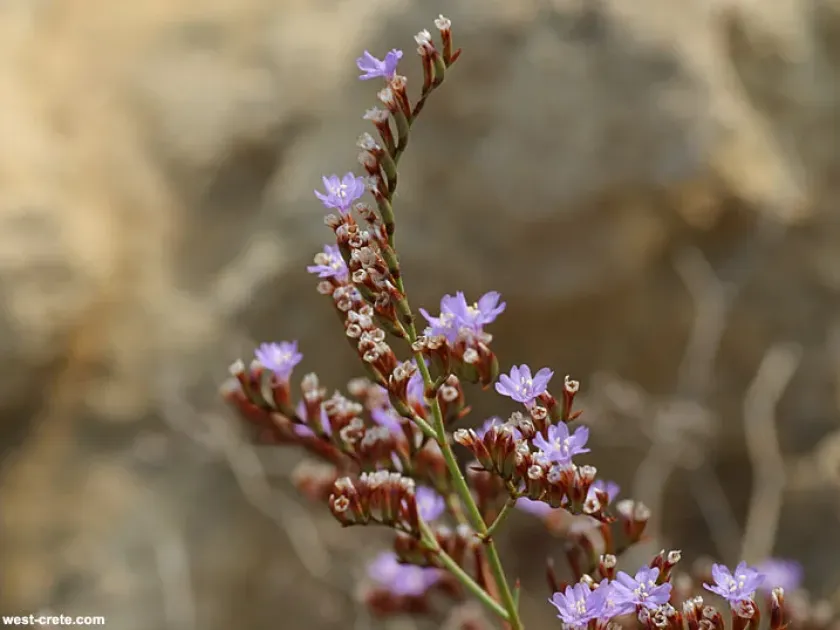
Description
Sowing dates
Greek sea lavender is typically propagated via seeds sown in spring. To achieve the best results, seeds should be started in a well-draining potting mix under greenhouse conditions during early spring.
Seed coats can be quite tough, necessitating light scarification or soaking in tepid water for a few hours to ensure uniform germination across the seed tray.
When sowing, place seeds just under the soil surface. Light is essential for successful germination, so avoid burying the seeds too deeply to allow proper light exposure for the seedlings.
Maintain temperatures between 18 and 22 degrees Celsius. Under these conditions, germination usually occurs within three weeks, requiring consistent but gentle hydration without over-saturating the medium.
Transplanting seedlings to their final outdoor location should only happen after the danger of frost has passed, ensuring plants are spaced at least 30 cm apart to allow for mature growth.
Growing requirements
As a member of the Plumbaginaceae family, Limonium graecum thrives in environments that mimic its native Mediterranean habitat. It is highly valued for its exceptional drought tolerance and resilience.
The plant requires full sun exposure to flourish and produce high-quality blooms. Providing partial shade will negatively impact both the growth rate and the intensity of the flowering display.
Soil composition is critical; the plant demands excellent drainage. Sandy or stony soils with a neutral or slightly alkaline pH are ideal, as they prevent the root rot typically associated with moisture retention.
Once established, the plant is remarkably self-sufficient. Supplemental irrigation should be avoided unless severe drought conditions persist for an extended period, as excessive water causes decline.
In terms of fertilization, less is more. Nutrient-rich soils or heavy use of nitrogen fertilizers can stimulate excessive leafy growth at the expense of flower development, which is undesirable.
Main diseases and pests
The primary threats to Greek sea lavender involve pathogens encouraged by high humidity and poor air circulation. Powdery mildew is the most common concern for the foliage of the plant.
Preventative measures are essential, such as ensuring proper spacing between plants to allow for airflow. If an outbreak occurs, specialized fungicides should be applied following the product label.
Insect pests like aphids or spider mites may attack during hot, dry spells. These infestations are generally managed effectively through the use of insecticidal soaps or neem oil applications.
Root rot remains the most significant physiological threat, caused by poorly draining soil or excessive rainfall. Choosing a site with a natural slope or sandy base effectively eliminates this risk.
Regular maintenance, including removing dead leaves and debris from the base of the plant, reduces the humidity trapped near the crown and limits the success of potential pathogens.
Harvesting
Harvesting for dried arrangements should be performed when the flowers are fully expanded. Delaying harvest until the flowers begin to fade results in poor-quality specimens that shatter easily.
Cut the stems early in the morning once the dew has evaporated, as this timing provides the cleanest conditions and prevents premature wilting before the drying process begins.
To preserve color and structure, hang stems in small bunches upside down in a cool, dark, and well-ventilated location away from direct sunlight, which would otherwise bleach the pigments.
Once drying is complete, the flowers are highly durable and can be used in various floral designs, maintaining their vibrant color and delicate texture for many seasons.
After the harvest, prune back the spent stems to the base of the plant. This practice cleans up the appearance and allows the plant to focus energy on foliage regeneration before winter.