
Limonium girardianum
Limonium girardianum
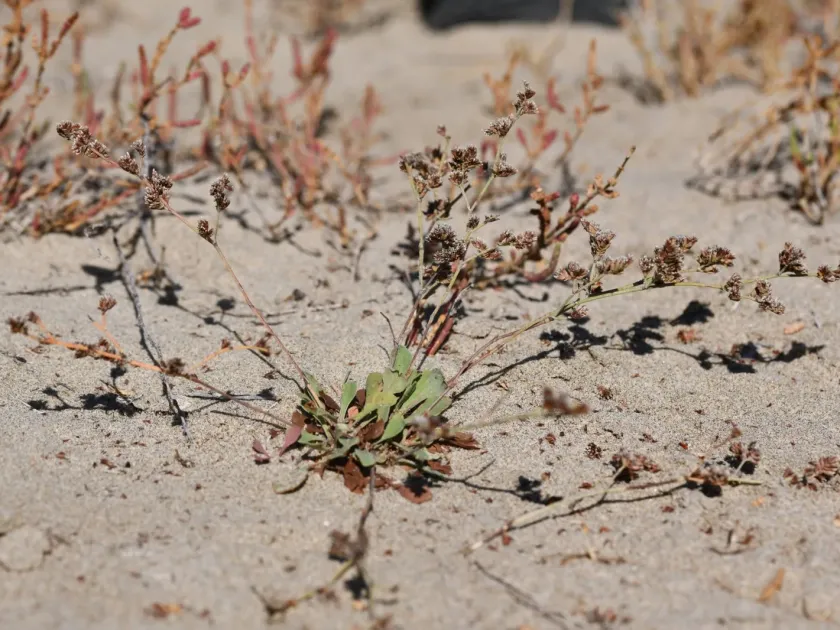
Description
Sowing dates
Sowing Limonium girardianum seeds is ideally performed in the spring season once soil temperatures consistently reach 15–18 degrees Celsius.
For greenhouse seedling production, sow the seeds in a light, nutrient-rich substrate in late March or early April to ensure a strong root system before transplantation.
When sowing directly in open fields, it is crucial to select sites with well-drained, sandy soils as poor drainage will lead to rapid seedling mortality.
The seeds possess a tough outer coat; therefore, pre-sowing stratification for several weeks at cool temperatures significantly improves germination rates.
Planting depth should be kept shallow, approximately 0.5 to 1 centimeter, allowing the seeds sufficient access to light for uniform and healthy emergence.
Growing requirements
Limonium girardianum is a member of the Plumbaginaceae family and is recognized as a hardy halophyte native to the saline coastal regions of the Mediterranean.
This crop is highly adapted to soils with elevated salt concentrations and exhibits remarkable drought tolerance due to its deep-reaching root system.
Optimal growth requires full sun exposure throughout the day, as insufficient light will cause plants to lose their compact shape and reduce flower quality.
The plant thrives in alkaline, sandy, or gravelly soils where high salt content would otherwise inhibit the growth of standard ornamental garden varieties.
- Excellent soil drainage and aeration.
- Consistent access to direct solar radiation.
- Moderate irrigation limited to the active growing season.
- Protection from extreme cold winds during the establishment phase.
Yield
The yield of Limonium girardianum in professional floriculture is calculated based on the number of marketable flower stalks produced per square meter.
A healthy, mature plant can produce between 5 and 10 sturdy, branching inflorescences that are highly valued for their longevity in dried arrangements.
Peak production is usually observed during the second and third years of the plant's lifecycle as the root system achieves maximum maturity and depth.
Agronomic practices, such as the consistent removal of spent blooms, encourage the plant to divert energy into new growth and repeat flowering later in the season.
Regional climate factors play a significant role in yields, with Mediterranean-like climates promoting more vigorous growth compared to cooler, northern regions.
Main diseases and pests
While Limonium girardianum is generally robust, excessive moisture in the root zone frequently acts as a catalyst for various soil-borne fungal pathogens and rot.
High relative humidity levels can lead to outbreaks of powdery mildew, which necessitates the use of preventative copper-based fungicides in some climates.
Common agricultural pests such as aphids and cutworm larvae may target young succulent leaves and budding inflorescences, requiring careful field monitoring.
Integrated pest management strategies are recommended, utilizing biological controls or systemic insecticides only when necessary to protect the plant's health.
Proper water management is the primary defense against threats, as preventing waterlogged conditions minimizes the risk of bacterial and fungal infections.
Harvesting
The harvest should occur when the majority of florets are fully open and display their characteristic vibrant pigmentation to ensure maximum longevity.
The best time to cut the stems is mid-morning, once the dew has evaporated but before the intense afternoon heat can affect the quality of the plant tissues.
Stems should be gathered into small bunches and hung upside down in a dark, well-ventilated area to facilitate uniform drying and maintain stem straightness.
Avoid exposing the drying stems to direct sunlight, as ultraviolet radiation will cause the pigments to fade, reducing the commercial value of the dried product.
The drying process typically takes between one to two weeks, resulting in durable, high-quality botanical materials suitable for long-term interior decoration.