
Limonium ferulaceum
Limonium ferulaceum
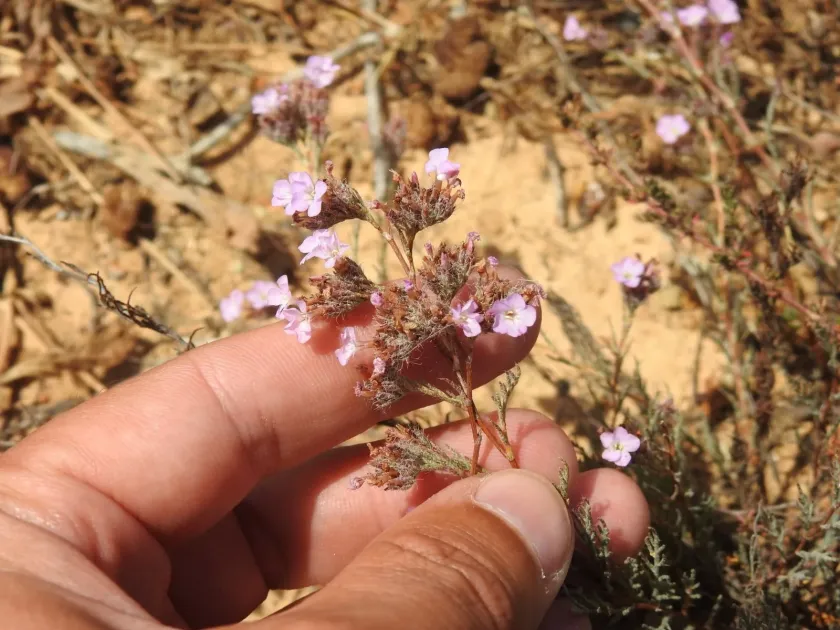
Description
Sowing dates
Sowing Limonium ferulaceum for seedlings is recommended to be carried out in late February or March, as the plant has a long vegetation period before it starts to bloom. The seeds are characterized by a fairly high germination rate provided that the temperature is maintained between +18 and +20 degrees Celsius.
Direct sowing in open ground is only possible in southern regions with a mild climate, where the risk of late frosts is excluded until the beginning of active growth. When sowing in the ground, seeds should be buried to a depth of no more than 0.5–1 cm, keeping a distance between plants to ensure optimal space.
To speed up germination, seeds can be subjected to short-term stratification for 7–10 days at low positive temperatures. The seedling substrate should be light, loose, and possess neutral acidity, which contributes to the better development of the taproot system.
Seedling picking is carried out at the stage of two or three true leaves, trying to preserve the soil clod around the roots as much as possible. Transplanting to a permanent location is performed only after the weather has become consistently warm, as the culture is extremely sensitive to soil cooling.
The choice of site for sowing should be based on the need for maximum lighting. Limonium ferulaceum is a light-loving culture, so even minor shading can lead to elongated shoots and reduced intensity of decorative flowering.
Growing requirements
This species of sea lavender belongs to the Plumbaginaceae family and is valued for its high drought resistance, making it promising for cultivation on poor and dry soils. The plant develops best on light sandy or sandy loam substrates with excellent drainage capacity.
Limonium ferulaceum is extremely sensitive to waterlogging in the root zone, which can provoke the development of rot and the rapid death of the plant. Therefore, when preparing a site on heavy clay soils, it is mandatory to introduce loosening materials such as sand or fine gravel.
The optimal pH range for this crop is between 6.5 and 7.5. The plant shows marked salt tolerance, allowing it to be used in landscaping coastal areas and sites with saline soils where other ornamental species cannot survive.
Mineral nutrition should be moderate. Excessive application of nitrogen fertilizers stimulates the growth of vegetative mass at the expense of generative growth, which leads to delayed flowering. Preference should be given to complex potassium-phosphorus compositions that facilitate the formation of strong flower stalks.
During the active growth period, the culture needs minimal watering, which is carried out exclusively at the root in the morning hours. Once flowering begins, watering should be reduced to a minimum to prevent the stems from lodging and to ensure their better preservation when dried for floristic purposes.
Main diseases and pests
The main threat to sea lavender is fungal diseases that develop against the background of high air humidity and waterlogged soil. The most dangerous is Botrytis, which manifests itself as gray mold on the leaves and the plant's root collar.
Powdery mildew also frequently affects plantings during periods with sharp fluctuations in daily temperatures and high humidity. Upon the appearance of the first symptoms, it is necessary to carry out treatment with systemic fungicides, strictly following the dosage indicated by the manufacturer.
Among pests, aphids and spider mites are the most common, as they suck juices from young leaves and shoots. Regular monitoring of plant health allows for the timely detection of insect colonies and prevents their mass spread across the site.
For pest control, it is recommended to use environmentally safe insecticides or biological control methods if the crop is grown near residential areas. It is also important to remove weeds, which often act as primary reservoirs for viral and fungal infections.
Adherence to crop rotation rules is a mandatory condition for protecting sea lavender. It is not recommended to return the crop to the same place for at least 3–4 years to avoid the accumulation of specific pathogens in the soil and to ensure the stable development of healthy plants.
Harvesting
Harvesting the inflorescences of Limonium ferulaceum is carried out during the peak flowering phase, when most of the small flowers have fully opened. If inflorescences are cut too early, they may deform during drying and lose their decorative appeal.
For cutting, choose dry sunny days when there is no dew on the plants. Flower stalks must be cut as low as possible at the base, using a sharply sharpened garden tool to avoid damaging the rosette of basal leaves.
Drying of the inflorescences is performed in well-ventilated dark rooms by hanging them upside down. This method allows preserving the natural curve of the stems and the brightness of the petal color, which is critical for obtaining high-quality raw materials for dried flower floristry.
The drying duration depends on the temperature and humidity of the room and takes from 7 to 14 days. The readiness of the raw material is determined by the stiffness of the stems and the absence of moisture in the bracts, after which they can be used in floral arrangements or for long-term storage.
It is important to avoid direct sunlight on the cut inflorescences during the drying process, as ultraviolet rays contribute to the rapid fading of pigments. Properly dried Limonium retains its commercial appearance for several years without losing its shape or color intensity.