
Notch-leaf sea lavender
Limonium emarginatum
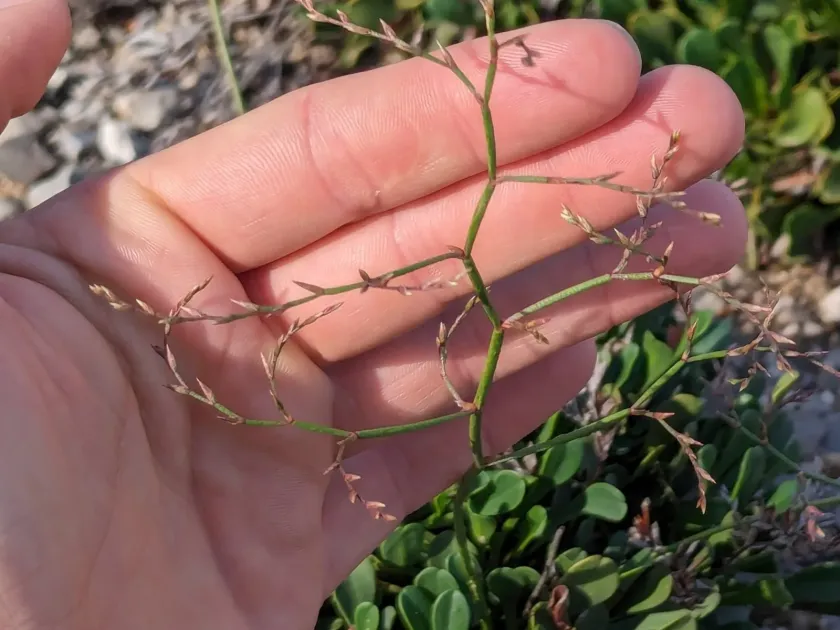
Description
Sowing dates
Limonium emarginatum, commonly known as notch-leaf sea lavender, belongs to the Plumbaginaceae family. In commercial production, seeds are sown in seedling trays during late February or March to ensure early blooming.
When sowing directly into open fields, it is necessary to wait until the soil is consistently warm, which usually corresponds to May. Seeds have low germination energy, requiring mandatory pre-sowing preparation to improve uniformity.
The sowing depth should not exceed 0.5–1 cm. Using a lightweight, well-aerated substrate helps accelerate seedling emergence, which typically occurs 14–20 days after sowing.
The transplanting method is prioritized because it ensures more uniform plant development and allows for better density control per unit area. Pricking out is performed at the stage of two true leaves into individual containers.
The optimal planting density for cut flower production is 30x40 cm. This provides sufficient nutrition for each plant and ensures good air circulation, which is critical for preventing fungal diseases.
Growing requirements
This crop is a classic light-loving xerophyte, therefore, it requires maximum sunlight exposure with no shading for full development.
Limonium has specific soil requirements: the best growth rates are observed in light, well-drained sandy or loamy soils with a neutral or slightly alkaline pH.
The plant reacts extremely negatively to moisture stagnation in the root zone. Excess soil moisture combined with low temperatures quickly leads to root system failure and the development of rot.
For successful vegetation, a moderate irrigation regime must be maintained. The soil should be allowed to dry out between waterings, especially during the rosette stage of leaf formation.
The crop is highly drought-tolerant and can withstand short periods of moisture deficit due to its powerful taproot, which penetrates deep into the soil horizons.
Main diseases and pests
The most common issue in sea lavender cultivation is gray mold (Botrytis), which affects plants under high air and soil humidity conditions.
Outbreaks of powdery mildew are also frequently observed, appearing as a white coating on the leaves. It is necessary to use systemic fungicides for preventive control.
Among pests, aphids and spider mites cause the most damage by sucking sap from young flower stalks and leaves. The use of insecticides and acaricides effectively manages their populations.
Root rots, such as Rhizoctonia, can cause massive plant loss. It is recommended to strictly follow crop rotation and not replant on the same field for at least 3–4 years.
- Maintaining distance between plants
- Regular greenhouse ventilation
- Monitoring substrate moisture levels
- Preventive fungicide applications
Harvesting
Inflorescences are harvested at the stage when the majority of flowers in the panicle have fully opened. At this stage, the flowers reach maximum decorative value and retain color brightness after drying.
Cutting is best performed during morning hours, after the dew has evaporated but before the intense midday heat. This extends the vase life of fresh material and improves quality during subsequent drying.
For drying, stems are tied into bunches and hung upside down in a well-ventilated, shaded area. Direct sunlight during the drying process is unacceptable, as it causes pigment fading.
The drying process lasts from 7 to 10 days, depending on ambient humidity. Properly dried material retains stem stiffness and rich petal color for a long duration.
Using sea lavender as a dry flower is the primary economic use of this crop, making it highly demanded in the floristry business and landscape design.