
Limonium echioides
Limonium echioides
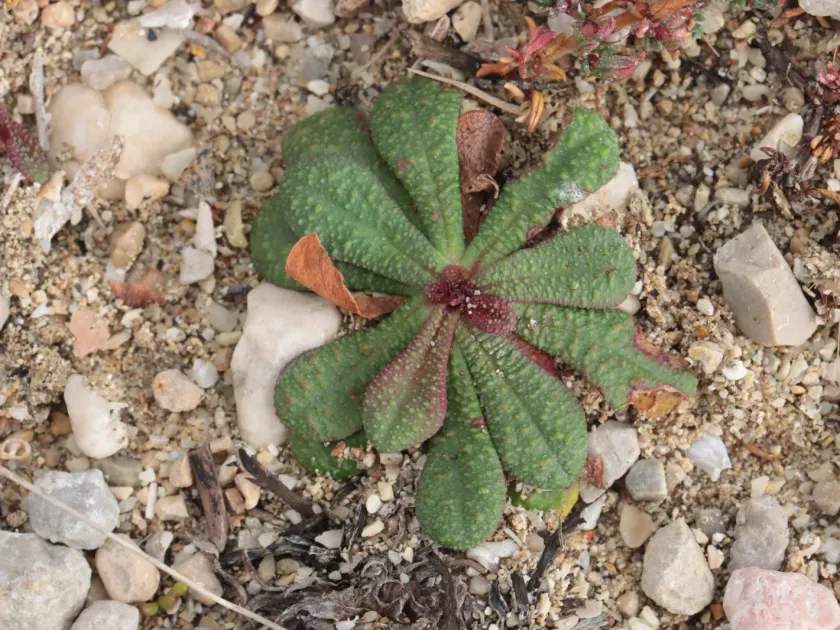
Description
Sowing dates
Limonium echioides belongs to the Plumbaginaceae family. Seed sowing is typically performed in late winter or early spring in a controlled environment, such as a greenhouse, to ensure optimal development before transplanting.
Seeds are sown on the surface of a moist substrate or covered very thinly with vermiculite. Light is essential for the germination process, so depth control is crucial to prevent failure.
A stable temperature range between 18 and 22 degrees Celsius should be maintained during the early stages of growth. High humidity is required until the first true leaves appear, after which it should be gradually reduced.
Seedlings are transplanted into individual containers once they reach a manageable size, allowing for root system reinforcement. Proper hardening off before moving the plants to outdoor beds is necessary for successful establishment.
Spacing between plants should be approximately 30 to 40 centimeters. This density promotes adequate airflow and reduces the risk of moisture-related issues that often plague this species in dense cultivation.
Growing requirements
This plant thrives in full sun exposure. Limonium echioides requires high solar intensity to develop its typical form; even partial shade can lead to leggy stems and reduced floral display.
Well-draining, sandy, or light soils are preferred for this crop. Excellent permeability is necessary to prevent stagnant water, which is the primary cause of root degradation and death in this species.
The plant demonstrates significant tolerance to drought and salinity, making it an excellent choice for maritime or arid agricultural sites. It relies on its deep taproot to absorb water efficiently.
Soil pH should ideally be neutral or slightly alkaline. If the soil is excessively acidic, liming is recommended to improve the nutrient availability and plant health during the growing season.
Fertilization should be handled with care. A low-nitrogen, high-potassium fertilizer is best, as excess nitrogen promotes undesirable vegetative growth instead of the desired flower production.
Main diseases and pests
Fungal diseases are the primary threats, particularly in areas with poor ventilation or high soil moisture. Root rot and damping-off are common concerns that require careful water management.
Aphids and spider mites are typical pests for this plant, especially during dry spells. Monitoring the undersides of leaves and using natural or chemical controls when necessary helps to keep the population in check.
Powdery mildew can manifest in greenhouses with high humidity and stagnant air. Enhancing ventilation systems is the most effective way to prevent the rapid spread of this fungus across the crop.
Gastropods, including snails and slugs, can damage tender young shoots in the spring. Using protective barriers like gravel mulch can discourage these pests from reaching the vulnerable parts of the plant.
Integrated pest management, including crop rotation and removing diseased plant matter, is essential for long-term health. Chemical treatments should be targeted and applied only after a confirmed diagnosis.
Harvesting
Harvesting for floral use occurs when the flowers are fully opened. Cutting should be performed in dry, sunny weather, as moisture on the stems can quickly lead to post-harvest decay.
Drying must occur in a dark, airy environment. Keeping the stems upside down preserves their shape and prevents the heads from drooping as they lose water content during the curing process.
Regular cutting of stems encourages the plant to produce new shoots, which can extend the flowering period. Deadheading is also recommended to maintain a neat appearance in the growing area.
Seed harvesting should be timed for autumn when the seed heads turn brown and become dry. It is important to gather the seeds before the arrival of autumn rains to maintain high germination quality.
After cleaning and drying, the seeds should be stored in cool, dry conditions. Proper storage ensures that the potential of the crop remains viable for future planting cycles.