
Limonium dubium
Limonium dubium
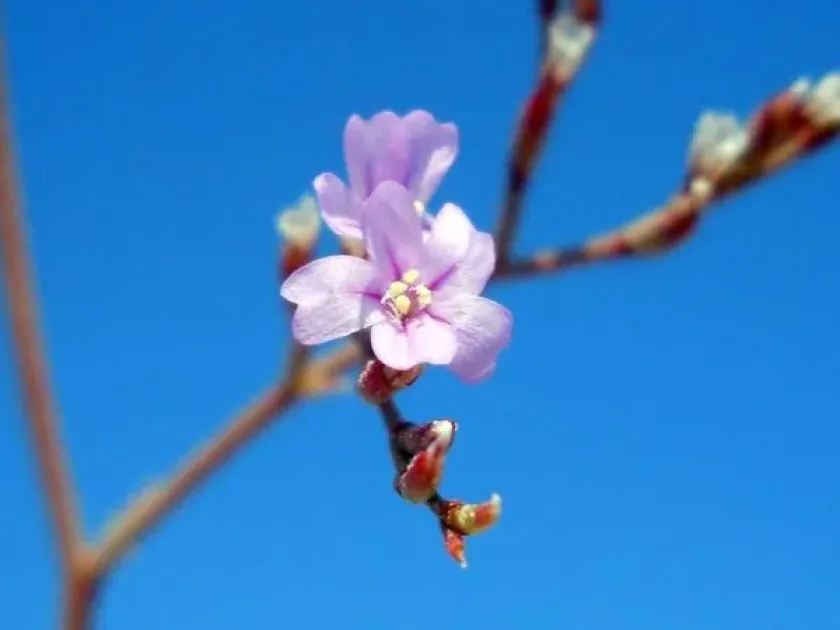
Description
Sowing dates
Limonium dubium is a member of the Plumbaginaceae family, widely recognized for its high ornamental value and suitability as a dried flower crop. It is typically grown as an annual or biennial plant in most cultivation regions.
Seed sowing is best performed in late winter or early spring using a lightweight, well-draining seed starting mix. Seeds are light-dependent for germination, so they should be only lightly pressed into the soil surface.
Transplanting should be handled with extreme care as the plant develops a taproot that is sensitive to disturbance. Using peat pots or cell trays is recommended to minimize root stress during the transition to the field.
Temperature control during the early stage is vital, keeping the environment between 18–20 degrees Celsius. Providing adequate light prevents the seedlings from becoming leggy and weak before field establishment.
When sowing directly into the field, ensure that the frost risk has completely passed. The soil should be finely tilled and free of large clods to ensure good seed-to-soil contact for optimal germination rates.
Growing requirements
This crop thrives in full sun and requires an open, well-ventilated location to develop strong, healthy flower stalks. Even partial shade can result in poor growth and a significant reduction in flower quality.
Soil conditions are critical for Limonium dubium; it requires sandy or loamy, well-drained soils. It is highly intolerant of heavy, compacted, or waterlogged soils, which quickly lead to root decay.
The plant is highly drought-tolerant once established. While it needs consistent moisture for initial growth, it should not be over-watered, as excess moisture in the crown area is a major cause of disease.
Maintaining a neutral to slightly alkaline soil pH is ideal. If the soil is acidic, agricultural lime should be applied before planting to adjust the chemistry to a more suitable range for the species.
Fertilization should be handled with caution. High nitrogen levels encourage excessive vegetative growth and make the plants more susceptible to pests and diseases rather than producing more flowers.
Main diseases and pests
The primary threats to this crop are fungal pathogens, specifically powdery mildew and Botrytis, which thrive in humid and poorly ventilated conditions. Prevention is key through strict spacing protocols.
Pests such as aphids and spider mites can infest the foliage, particularly during hot and dry spells. Integrated pest management strategies, including the use of targeted biological controls, are highly effective.
Root rot is a common issue caused by poor drainage or over-irrigation. Once symptoms become visible in the foliage, the plant is usually beyond recovery, making proactive soil management essential.
Weed competition can significantly limit the growth of Limonium dubium. Regular mechanical weeding in the early stages of development is necessary to prevent shading and nutrient deficiency.
Monitoring the field for symptoms of bacterial infections is also important, as these can spread rapidly in warm conditions. Prompt removal of infected plants helps to keep the remaining crop healthy.
Harvesting
Harvesting should occur when the majority of flowers on the stalk are fully open and vibrant. Waiting until full maturity ensures that the plant material is sturdy and the colors are at their peak intensity.
Harvesting must take place during dry, mid-day conditions after any morning dew has evaporated. This practice reduces the risk of fungal growth during the drying process and improves the storage life.
Stems should be bundled in small bunches and hung upside down in a dark, dry, and airy location. Complete darkness is necessary to prevent the pigments from fading during the curing process.
Drying typically takes about two to three weeks, depending on ambient humidity levels. Once fully dried, the flowers retain their shape and structure, making them highly prized in the floral industry.
Proper harvesting management not only maximizes the commercial value of the crop but also ensures that the plants are cleared from the field in time to prevent pathogen build-up for the next season.