
Limonium dodartii
Limonium dodartii
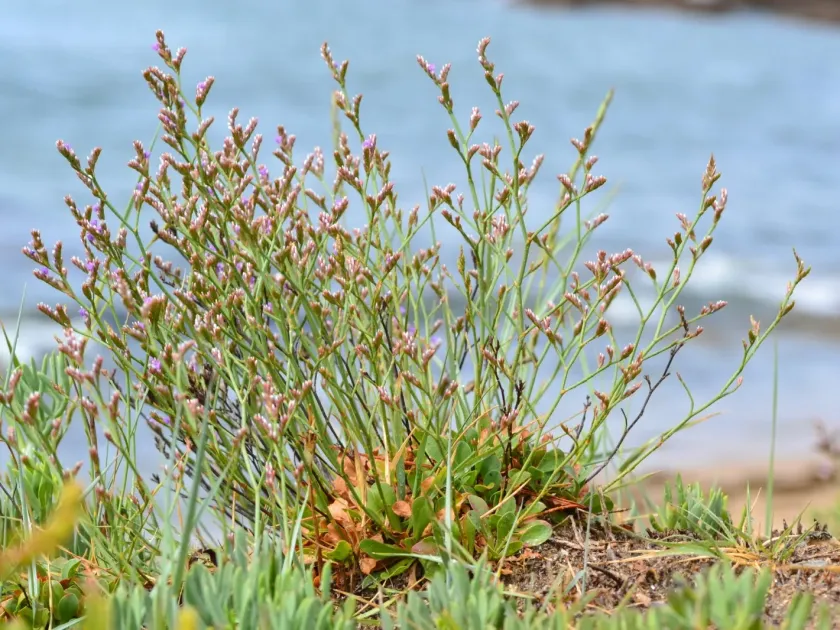
Description
Sowing dates
Sowing Limonium dodartii seeds should ideally start in early spring within a controlled greenhouse environment. Providing a stable temperature between 18 and 21 degrees Celsius is crucial for consistent germination rates.
The seeds require surface sowing, as they are light-dependent for germination. A light dusting of vermiculite or fine sand is sufficient to hold the seeds in place without depriving them of necessary light exposure.
Transplanting the seedlings to individual pots is necessary once the first true leaves have developed. Given the plant's sensitivity to root disturbance, using biodegradable peat pots is a recommended practice to ensure successful field establishment.
Hardening off the plants is a critical step before moving them to the final outdoor location. This process involves gradually exposing the young plants to outdoor air and direct sunlight over a period of ten days.
Field planting takes place once all risks of frost have passed. The plants should be spaced at least 35 centimeters apart to allow for optimal foliage development and to prevent overcrowding in the flower beds.
Growing requirements
Limonium dodartii, belonging to the Plumbaginaceae family, is a perennial plant known for its high resilience in challenging environments. It naturally inhabits coastal regions, showing adaptation to maritime conditions.
The crop thrives in full sun and requires at least six to eight hours of direct light daily. Lack of sunlight significantly inhibits its flowering potential and causes the plant to become leggy and less attractive.
Well-draining, sandy, or rocky soil is essential for this species. It is highly tolerant of poor soil conditions and saline environments, making it an excellent candidate for landscape projects in coastal or dry areas.
Proper water management is key, as the plant is extremely drought-tolerant once established. Excessive irrigation or standing water frequently results in crown rot and the decline of the overall plant population.
Fertilization should be kept to a minimum. High nitrogen levels tend to promote excessive green foliage at the expense of floral display, so balanced, low-concentration mineral fertilizers applied sparingly are ideal.
Main diseases and pests
The primary threats to Limonium dodartii include powdery mildew and other fungal diseases triggered by high humidity levels. Maintaining adequate airflow is the most effective preventative measure against these outbreaks.
Root rot is a major issue in poorly drained soils. If symptoms such as leaf wilting are observed, the soil moisture level should be immediately checked, and drainage solutions should be implemented for the remaining plants.
Insect pests like aphids can sometimes infest the succulent parts of the plant during periods of stress. Early identification is vital to preventing the spread, which can be managed with insecticidal soap or biological controls.
Preventative cultural practices include removing dead plant material at the end of the season. This helps break the life cycle of many common garden pathogens and keeps the planting area clean and healthy.
If chemical intervention is necessary, systemic fungicides or pesticides must be applied in strict accordance with the product instructions to avoid phytotoxic damage to the delicate floral structures.
Harvesting
Harvesting the floral stems of Limonium dodartii occurs when the flowers are fully open but not yet beginning to fade. Early morning, after the dew has evaporated, is the best time for collection.
To produce high-quality dried flowers, stems should be bundled and hung upside down in a cool, dark, and well-ventilated room. This method ensures that the color and structure of the flowers are perfectly preserved.
This crop is a valuable asset in the cut-flower industry due to its long-lasting quality and aesthetic appeal. It retains its beauty in dried arrangements for years if kept away from direct sunlight.
Seed harvesting requires waiting until the flowers turn brown and the seeds are dry. The seeds are then carefully separated from the calyx and stored in a cool, dry place for future planting seasons.
In landscaping, the plant serves as a structural element in rock gardens and perennial borders. Its compact, rosette-forming habit makes it useful for filling gaps between larger, less drought-tolerant plant varieties.