
Limonium diffusum
Limonium diffusum
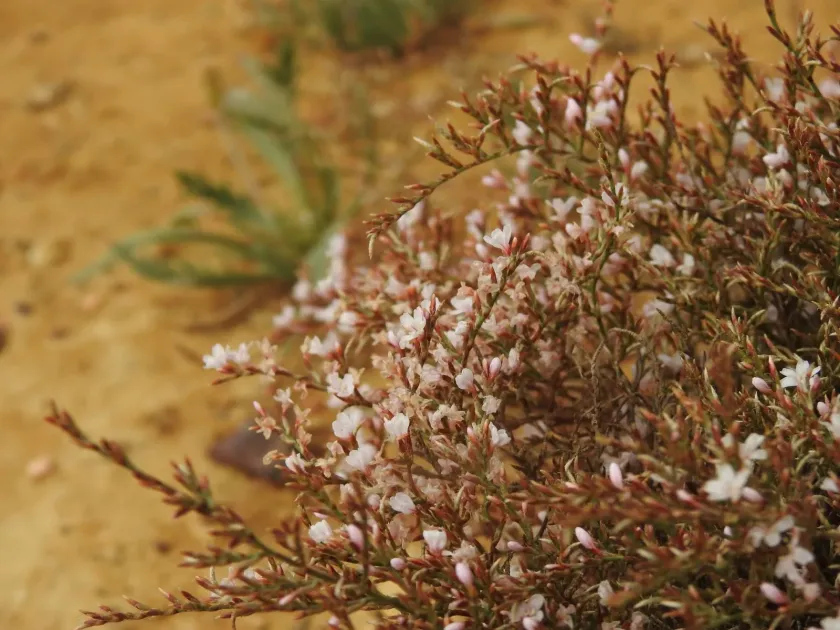
Description
Sowing dates
Sowing of Limonium diffusum should be planned for the middle of spring once the soil has warmed up sufficiently. The seeds require stable temperatures of around 18–20°C to ensure uniform germination.
For greenhouse or container cultivation, sowing in small cells or peat pots during March is recommended. This approach allows for a head start and ensures that the plants are well-developed by the time they are transplanted.
Root system preservation is essential during the transplanting process. It is advisable to handle the seedlings with care, avoiding root disturbance as much as possible to ensure healthy establishment in the garden.
Space the plants approximately 30–40 cm apart to prevent overcrowding. Proper spacing is crucial to maintain air circulation, which is vital for preventing moisture buildup around the plant base.
The seeds remain viable for several years if stored in cool, dry conditions. Always ensure that the seeds are of high quality to maximize germination rates and uniformity in the field.
Growing requirements
Limonium diffusum belongs to the Plumbaginaceae family. It is a perennial herbaceous plant known for its wide-spreading, intricate panicles that make it highly prized in both fresh and dried floral arrangements.
The plant thrives in full sun and requires well-drained, porous soil to prosper. It is exceptionally sensitive to waterlogging, which can cause root rot and rapid decline of the plant population.
Drought tolerance is one of its primary characteristics, making it suitable for xeriscaping or areas with limited water availability. Once established, it requires very little supplemental watering.
Soil pH should ideally be neutral or slightly alkaline. In acidic soils, plant growth may be stunted, so applying lime is a standard agronomic practice to optimize the soil environment for this species.
Wind protection is beneficial as the spreading habit of the plant can make it susceptible to breakage during severe weather conditions, though it generally maintains a compact and sturdy structure.
Main diseases and pests
Fungal infections, such as root rot and powdery mildew, are the most significant threats to Limonium diffusum. These issues are almost always associated with high humidity levels and poor soil drainage.
Common insect pests include aphids and spider mites, which can cause significant damage during hot, dry summer months. Regular monitoring of the foliage is necessary to detect early signs of infestation.
Prevention involves maintaining clear spacing between plants and avoiding overhead irrigation. Drip irrigation is preferred to keep the foliage dry and reduce the risk of disease spread.
In cases of heavy pest pressure, integrated pest management strategies should be employed, using appropriate insecticides only when strictly necessary to protect the plant's delicate blooms.
Removing dead leaves and debris from the base of the plant at the end of the season helps reduce the overwintering population of pests and the inoculum of fungal spores for the following year.