
Limonium densissimum
Limonium densissimum
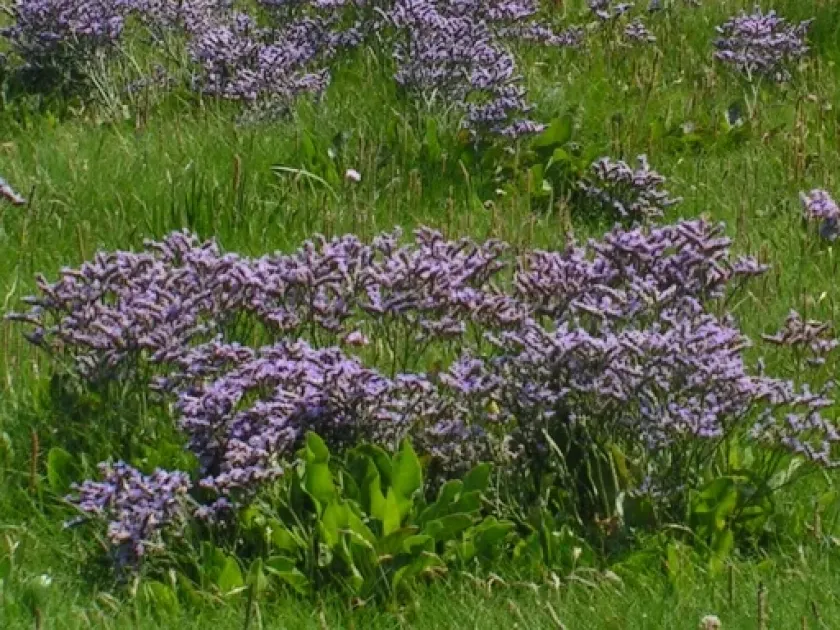
Description
Sowing dates
Sowing of Limonium densissimum should be performed in early spring once the risk of frost has passed, ensuring soil temperatures are at least 12°C for optimal germination.
The seeds are relatively small and should be sown at a shallow depth of approximately 1 cm, covered with a fine layer of substrate to ensure consistent moisture during the initial phase.
Proper row spacing is critical, with recommended gaps of 40–50 cm to allow for adequate airflow and to prevent the development of fungal diseases in the dense foliage.
Germination can be slow and irregular; therefore, pre-sowing treatments, such as light scarification or stratification, may be beneficial to improve the overall emergence rate.
Maintaining a steady moisture level in the seedbed is essential during the first 14–21 days until the seedlings have established a firm root system in the soil.
Growing requirements
Limonium densissimum is a member of the Plumbaginaceae family and is well-adapted to saline conditions, characteristic of its natural habitat along coastal environments.
This species is highly photophilous and requires full exposure to direct sunlight for the majority of the day to ensure vigorous growth and vibrant inflorescence production.
The crop thrives in well-drained, sandy, or loamy soil types; it possesses high drought tolerance but benefits from moderate watering during the active blooming season.
It is sensitive to waterlogged conditions, which can lead to root asphyxiation, emphasizing the need for selecting sites with excellent natural drainage properties.
Temperature tolerance is broad, as the plant is adapted to both high heat and moderate cooling, making it a robust candidate for cultivation in various arid zones.
Main diseases and pests
Fungal pathogens such as Fusarium and Rhizoctonia pose a significant threat to the root system, especially in soils that lack proper drainage or suffer from high humidity.
Powdery mildew is a common foliar disease that often appears during periods of poor air circulation and high atmospheric moisture, requiring immediate fungicide intervention.
Pests, particularly aphids and spider mites, can cause severe stress to the plant during hot, dry spells, leading to stunted development and reduced flower quality.
Management of these threats involves a combination of preventative cultural practices, such as space management and regular monitoring, along with integrated pest management.
Ensuring that the plant is not subjected to overhead irrigation during late afternoon hours helps significantly in reducing the incidence of foliage-based diseases.
Harvesting
The harvest period is determined by the stage of inflorescence development, ideally when most florets are fully open but not yet beginning to senesce.
Clean harvesting tools are essential to prevent cross-contamination of pathogens between plants, ensuring the health of the perennial stand for subsequent years.
Post-harvest processing involves rapid drying in a shaded, well-ventilated area to preserve the vibrant natural color of the flowers, which is essential for market value.
For seed production, the stalks should be left until the bracts turn brown and dry, at which point the seeds can be collected through mechanical threshing methods.
- Harvesting should take place during dry, clear weather.
- Proper curing is necessary for long-term floral aesthetic maintenance.