
Limonium cuspidatum
Limonium cuspidatum
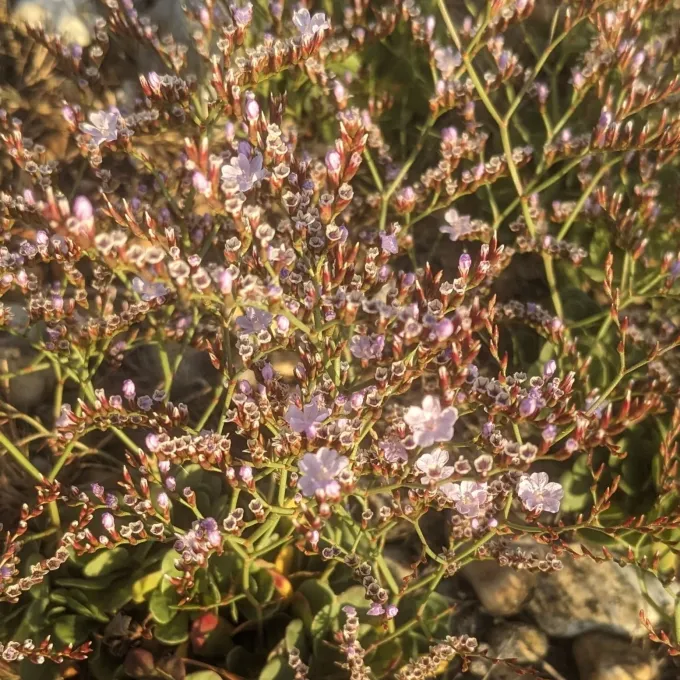
Description
Sowing dates
Sowing Limonium cuspidatum seeds is typically performed in spring when soil temperatures reach +12°C to +15°C. Selecting a period after the last frost is crucial to ensure steady germination and healthy establishment of the young rosettes.
For more uniform germination, seeds often require a period of stratification in cool, moist conditions for two to three weeks before planting. Greenhouse propagation in late winter is also a viable method to achieve earlier flowering in the field.
When sowing directly into the field, seeds should be placed at a shallow depth of 1 to 1.5 centimeters to ensure sufficient light exposure for germination. Proper spacing is essential to prevent overcrowding, as the plant develops a broad basal leaf rosette.
The choice of site is vital, as this plant demands full sun exposure throughout the day. Excessive shade results in weak flower stalks and a significant reduction in the quality of the harvest for floral purposes.
Soil preparation before sowing should focus on removing perennial weeds and creating a fine tilth. Maintaining consistent moisture in the upper soil layers during the initial germination phase is key to successful crop establishment.
Growing requirements
Limonium cuspidatum belongs to the Plumbaginaceae family and is recognized as a typical xerophyte, highly adapted to arid environments and saline soils. Its biological traits allow it to thrive in regions with low rainfall and high heat stress.
The crop prefers well-drained, sandy or sandy-loam soils with a neutral to slightly alkaline pH. Heavy clay soils are unsuitable due to the risk of waterlogging, which often leads to root rot and other physiological disorders.
Climatic requirements center on high light intensity and long, warm growing seasons. The plant is exceptionally drought-tolerant, but supplemental irrigation may be beneficial during prolonged dry spells to maximize the production of high-quality inflorescences.
Nutrient management should be moderate, as excessive nitrogen applications stimulate excessive vegetative growth at the expense of flower production. Phosphorus and potassium are preferred to enhance stalk strength and overall plant hardiness.
Regular cultivation of the inter-row spaces is recommended to break soil crusts and promote aeration. Proper air circulation around the root zone is vital for the health of the taproot system, which is characteristic of the genus.
Main diseases and pests
The primary threats to Limonium cuspidatum are fungal pathogens that flourish in high humidity. Grey mould is the most common issue, often affecting the crown and developing inflorescences when air circulation is poor.
Pests such as aphids and spider mites can cause significant damage during hot, dry weather by feeding on the sap of young shoots. Integrated pest management strategies, including monitoring and biological control, are highly recommended.
Powdery mildew may occur when there are significant fluctuations in ambient humidity. Pruning infected areas and maintaining adequate spacing between plants are essential practices to minimize the spread of the fungus.
Crop rotation is mandatory to prevent the accumulation of soil-borne diseases. It is advisable to avoid planting Limonium in the same area for at least three to four years after the previous harvest to reduce phytosanitary pressure.
Maintaining optimal plant density is a key agronomic practice to reduce the incidence of disease. By ensuring that the canopy receives adequate airflow, growers can significantly lower the risk of infection without excessive chemical use.
Harvesting
Harvesting Limonium cuspidatum should take place during the peak flowering stage when most florets are fully open. Early harvesting prevents the flowers from fading or losing their color intensity during the drying process.
Stalks should be cut in dry, sunny weather once the morning dew has completely evaporated. Handling the plants when dry is essential to ensure that the material does not develop mould during the curing period.
After harvesting, the stalks are bundled and hung upside down in a shaded, well-ventilated location. The absence of direct sunlight during the drying phase helps preserve the natural pigments of the flowers for professional floral use.
Dried flowers should be stored in a controlled environment with low humidity. This prevents the stems and florets from absorbing moisture, which could otherwise cause them to sag or lose their brittle structure.
Beyond floral applications, the roots are sometimes harvested for their tannin content. Autumn is the optimal time for root extraction, as the plant has finished its vegetative cycle and accumulated sufficient secondary metabolites.