
Limonium contortirameum
Limonium contortirameum
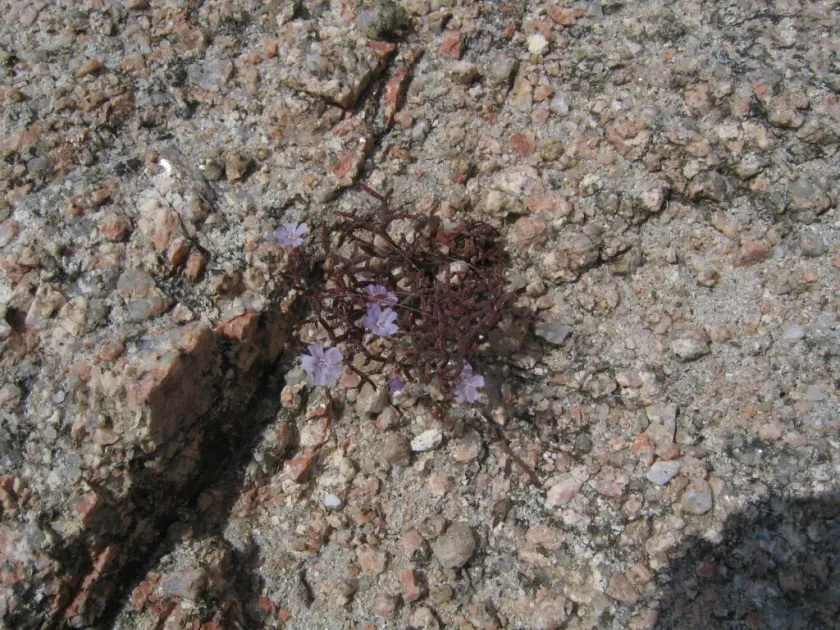
Description
Sowing dates
Limonium contortirameum belongs to the Plumbaginaceae family. It is a perennial herbaceous plant, most often cultivated as an annual or biennial crop depending on the climatic conditions of the region.
Sowing seeds in a protected environment to obtain seedlings is recommended in March or early April. The sowing depth should be no more than 0.5 cm, as the seeds require sufficient light for germination.
With a substrate temperature of 18–20 degrees Celsius, seedlings emerge within 10–14 days. It is necessary to ventilate the seedlings regularly to prevent the development of mold fungi, which are harmful to young plants.
Strong seedlings are transplanted into the open ground only after the threat of frost has passed. Limonium has a taproot system, so transplantation is best done by moving the entire soil ball from peat pots.
For direct sowing in the ground, well-warmed areas are chosen in May, although this method is less effective for northern regions due to the long growing season before the plant reaches the flowering stage.
Growing requirements
The crop is a classic xerophyte that adapts perfectly to arid growing conditions. The plant requires maximum sunlight throughout the entire daylight period.
Optimal conditions for growth include light sandy or sandy-loam soils with a neutral or slightly alkaline pH. Good drainage is essential, as stagnant water in the root zone leads to rapid decay.
Limonium contortirameum reacts extremely negatively to the application of fresh organic matter in large volumes. Preference should be given to complex mineral fertilizers with low nitrogen content during the budding phase.
Watering should be moderate and strictly dosed: even in hot weather, the plant gets enough moisture stored in the deep layers of the soil, provided there are no prolonged heavy rains.
To enhance decorative appeal during the period of active growth, a single application of wood ash is acceptable, which helps strengthen the plant tissues and form sturdier peduncles.
Yield
The productivity of the crop is measured by the number of marketable inflorescences suitable for floristic use. Proper agricultural practices allow for harvesting up to 15–20 peduncles per mature plant per season.
The flowering period begins in mid-July and lasts until late autumn. The inflorescences have high density and retain their shape even under unfavorable weather conditions.
The economic use of Limonium is focused on the dried flower segment. The plant is valued because, when dried properly, it retains the color of the petals and the shape of the calyxes almost perfectly.
To achieve maximum marketability, it is necessary to cull weak specimens in time and remove withered inflorescences promptly to stimulate the growth of new lateral shoots.
Seed yields in commercial cultivation are approximately 0.1–0.2 tons per hectare, making the plant promising for specialized seed-producing farms.
Main diseases and pests
Limonium contortirameum has high resistance to most pests due to the specific chemical composition of its tissues. However, in high humidity, the plants can be affected by powdery mildew.
Root rot is the most dangerous disease, occurring exclusively due to gross violations of agricultural practices related to excessive watering and lack of soil aeration.
In some years, crops may be damaged by aphids, which suck sap from young leaves. To control them, systemic insecticides are used in the minimum permissible dosages.
Sometimes, fungal-induced spots appear on the leaves, which require treatment with copper-based fungicides. Prevention consists of maintaining proper spatial isolation and crop rotation.
Maintaining a ventilation regime in greenhouses and correct plant spacing in the field serve as the best protection against any biological threats to this crop.
Harvesting
Harvesting inflorescences for drying is carried out in the phase of full flower opening. At this moment, the calyxes reach their maximum pigment saturation and durability.
Cutting is best done in the morning hours after the dew has evaporated, but while the plant is still turgid. This minimizes the risk of mechanical damage to the stems during transportation.
After collection, the peduncles are tied into small bunches and hung upside down in a dark, well-ventilated area. This method ensures even drying without deformation.
It is strictly forbidden to dry Limonium under direct sunlight, as this leads to rapid fading of colors and loss of market appearance for the entire product.
Ready-made dried flowers are stored in dry rooms in a vertical position, packed in cardboard boxes to prevent dust accumulation and mechanical damage to the fragile elements of the inflorescence.