
Limonium confusum
Limonium confusum
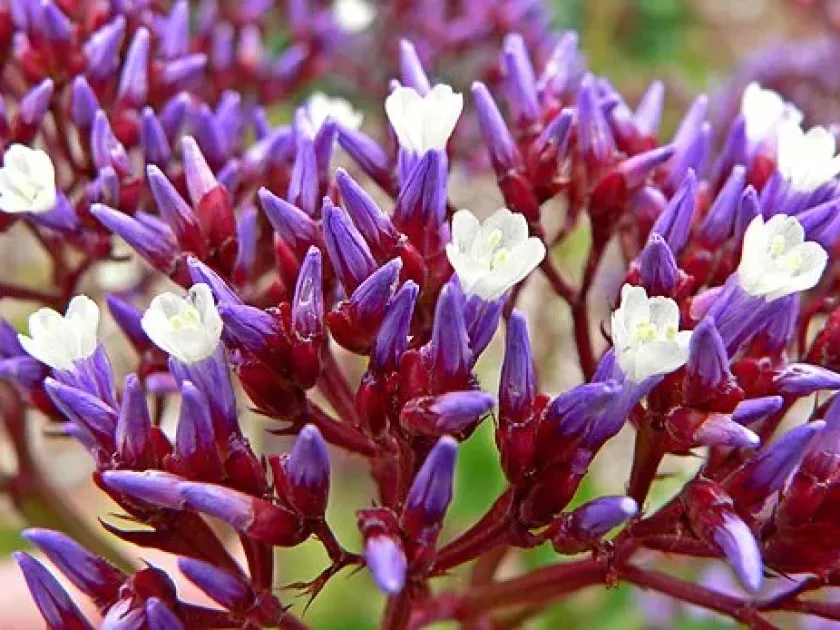
Description
Sowing dates
Seeds of Limonium confusum are sown depending on the chosen method: either in late winter or early spring using a nursery-grown seedling method, or by direct sowing in late spring.
The seedling method is generally preferred as the culture exhibits slow initial development, which requires controlled greenhouse environments during the early stages.
When sowing in open ground, it is essential to ensure the soil has warmed to at least 15–18 degrees Celsius, which is critical for successful stratification and germination.
Sowing depth should be minimal, not exceeding 0.5–1 cm, as the seeds require sufficient light exposure to initiate and maintain effective germination rates.
Providing regular, light irrigation until the first true leaves emerge is a vital step, allowing the plant to establish a robust root system early on.
Growing requirements
Limonium confusum, belonging to the Plumbaginaceae family, is a halophytic plant species evolved to thrive in saline environments, particularly in Mediterranean regions.
The plant requires high light intensity, necessitating full sun exposure throughout the day to ensure optimal growth and the development of dense, vibrant inflorescences.
Regarding soil preferences, this species requires light, well-draining substrates with a neutral to slightly alkaline pH level to mimic its natural maritime habitat.
This species is highly drought-tolerant and strictly intolerant of waterlogging in the root zone, which can rapidly cause root rot and total loss of the specimen.
Given its natural adaptation to extreme weather, it is important to avoid excessive nitrogen fertilization in cultivation, as this triggers weak growth and reduces overall durability.
Main diseases and pests
The primary threats to Limonium confusum include fungal pathogens, which proliferate rapidly under conditions of high relative humidity and soil moisture saturation.
Powdery mildew is the most frequently observed issue, manifesting as a white powdery coating on the foliage; if untreated, it can significantly hinder plant vigor.
Root rot, often associated with poorly drained heavy soils or excessive irrigation, acts as a major limiting factor for the longevity and productivity of the crop.
Common pests include aphids and spider mites, which tend to flourish in hot, stagnant air environments, particularly if ventilation is neglected in greenhouse settings.
Prevention involves adhering strictly to optimal agronomic practices, such as maintaining proper drainage and ensuring constant air circulation around the crown of the plant.
Harvesting
The harvest of Limonium confusum inflorescences is conducted during the full flowering stage, when blooms have achieved maximum color saturation and firm structural texture.
For use as dried flowers, cutting should be performed in the early morning hours, once any dew has evaporated, to maintain the quality and purity of the blooms during the drying process.
Stems are bundled in small bunches and hung upside down in a well-ventilated area protected from direct sunlight to facilitate consistent and thorough dehydration.
Economic application is primarily found in the florist industry, where the plant is highly valued for its ability to retain vibrant petal color for long durations after drying.
Properly harvested and dried material can maintain its structural integrity for one to two years if stored in a dry, dust-free environment away from excess humidity.