
Limonium companyonis
Limonium companyonis
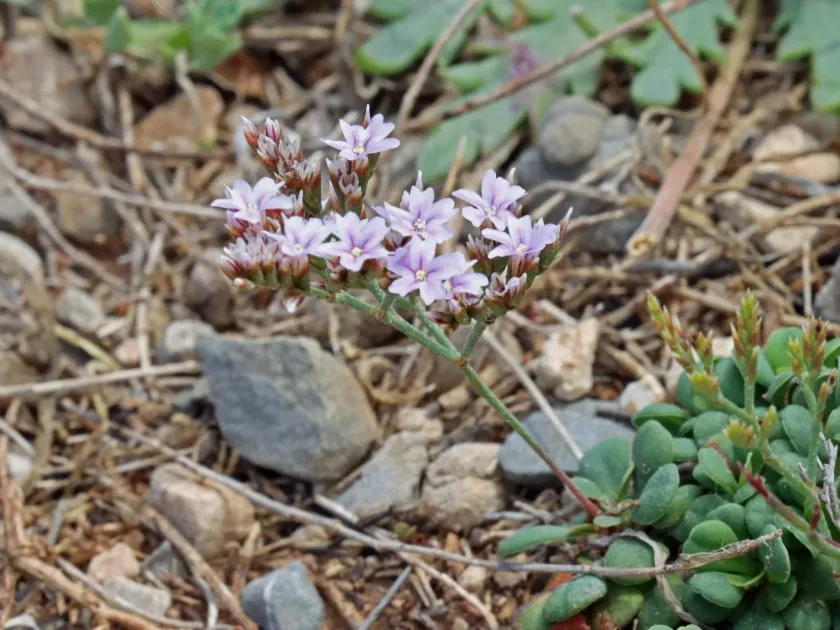
Description
Sowing dates
Sowing of Limonium companyonis seeds is typically performed in late winter or early spring to obtain high-quality seedlings. When growing outdoors, it is necessary to wait for stable warm weather once the risk of night frosts has passed.
The seeds of this species have a dense seed coat, therefore scarification is often used to improve germination rates. The sowing depth should not exceed 0.5–1 cm, as the seeds require light to germinate effectively.
The optimal temperature for germination is 18–20 degrees Celsius. The seedlings develop quite slowly, which requires strict temperature control and sufficient lighting to ensure healthy plant development.
Young plants should be transplanted to their permanent location with an interval of 30–40 cm between individuals. This ensures optimal spacing for nutrient uptake and adequate air circulation around the plants.
In regions with mild climates, late-autumn sowing is possible, but this requires protecting the beds from excessive moisture and freezing during winter thaw periods.
Growing requirements
Limonium companyonis is a member of the Plumbaginaceae family, which has adapted naturally to arid and saline soils. The crop is highly demanding of sunlight and requires open, sunny areas throughout its entire growing season.
Soil preferences include light, well-drained substrates. Heavy clay soils prone to water stagnation are detrimental to the root system, making proper drainage essential on such sites.
The plant is highly drought-tolerant; however, during the active growth phase and flower stalk formation, moderate watering promotes the production of larger and higher-quality inflorescences. Excessive soil moisture significantly reduces the plant's decorative value and overall viability.
Soil pH levels should be neutral or slightly alkaline for successful cultivation. On acidic soils, the application of liming materials is necessary to normalize the soil composition.
The crop is not demanding regarding high concentrations of organic fertilizers. Excess nitrogen often leads to excessive vegetative growth at the expense of flowering and increases the risk of fungal diseases.
Main diseases and pests
The primary threat to Limonium companyonis is excessive humidity, which provokes the development of root rots. Poor root aeration leads to rapid plant death due to fungal infections.
Powdery mildew can affect leaves and stems during sharp temperature fluctuations and high air humidity. Regular preventive measures and controlling planting density help minimize infection risks.
Among pests, various aphid species and thrips pose the greatest danger, as they suck cell sap and slow down the development of flower stalks. In case of massive infestation, the use of selective insecticides is recommended.
Caterpillars of certain moth species can damage flower stalks, compromising their integrity. Timely visual inspections allow for early detection and localization of pest outbreaks.
To maintain plant health, it is recommended to practice crop rotation and avoid growing Limonium on the same plot for several consecutive years.
Harvesting
The harvest of Limonium companyonis inflorescences is performed when the flowers are in full bloom. It is at this stage that the plant reaches its peak decorative potential and retains its structure best after drying.
To preserve color vibrancy, flowers should be harvested during dry weather, preferably in the morning after the dew has evaporated. Cutting is done at the base of the flower stalk to maintain long stems for later use.
The drying process takes place in well-ventilated rooms protected from direct sunlight. The inflorescences are hung upside down to prevent stem deformation during the moisture loss process.
Properly dried Limonium specimens can retain their shape and color for several seasons, making them a valuable commodity for the floral industry and the production of dry decorative arrangements.
After harvesting the flowers, plants left for seed production require sufficient ripening time. Seeds are collected once they turn brown, then thoroughly dried and cleaned of plant debris.