
Limonium chazaliei
Limonium chazaliei
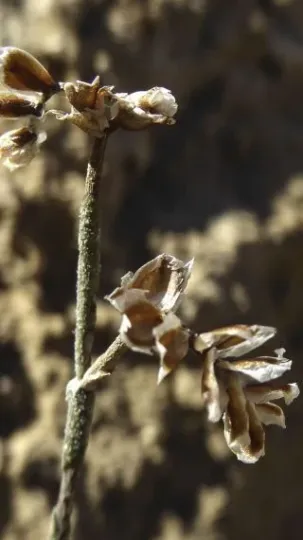
Description
Sowing dates
Seeds of Limonium chazaliei are typically sown indoors to ensure a higher germination rate and a successful start for the young plants. The optimal sowing time is late February to early March.
Pre-treatment of the seeds, such as cold stratification, is highly recommended to break dormancy and improve the uniformity of the germination process. Seeds require consistent temperatures between 18 and 22 degrees Celsius.
Transplanting into the open field should only occur after all risks of frost have passed. Typically, late May or early June is the ideal window for planting out in many temperate regions.
Because the plant develops a long taproot, it is highly sensitive to transplanting. The use of biodegradable pots is recommended to allow the plant to establish itself without root disturbance.
Choose a sunny location with plenty of space for the plant to grow its rosette. Proper spacing is essential to encourage air circulation and reduce the risk of potential fungal infections later in the season.
Growing requirements
Limonium chazaliei, a member of the Plumbaginaceae family, is a true xerophyte, well-adapted to arid environments. It thrives in full sun and requires unobstructed light for the development of its colorful bracts.
The soil must be exceptionally well-draining, such as sandy or gritty loams. Excessive moisture, especially in winter or during cold spring months, is the most common cause of plant failure.
This species shows remarkable tolerance to saline soils, making it a viable candidate for coastal landscaping and areas with soil salinity issues. Avoid heavy, water-retentive clays at all costs.
Watering should be kept to a minimum once the plants are established. Only provide irrigation during extreme drought periods, ensuring that the soil surface dries out completely between waterings.
Nutrient requirements are modest; an excess of nitrogen leads to overly lush, weak growth that is prone to lodging and diseases. A balanced, low-concentration fertilizer high in potassium promotes flowering.
Main diseases and pests
Root rot and Fusarium wilt are the primary pathogens affecting this crop, usually triggered by poor drainage or excessive humidity in the root zone. These diseases are difficult to control once established.
Aphids and spider mites are the most common pests observed on Limonium species. They thrive in dry, warm conditions and can quickly compromise the aesthetic value of the floral stalks if left untreated.
Powdery mildew may occur if planting density is too high or if the foliage remains damp for extended periods. Good ventilation around the base of the plant is the best preventive measure.
Bacterial leaf spots can emerge under humid conditions, requiring the removal of infected plant tissue to prevent rapid spreading across the cultivation area.
Integrated pest management, including regular scouting and the use of targeted biological controls, is preferred to maintain a healthy crop without harming beneficial pollinators visiting the flowers.
Harvesting
Harvesting should take place when the individual flowers in the inflorescence are fully open and vibrant. Selecting the right moment ensures maximum longevity of the cut stems as dried materials.
Cut the stalks near the base of the rosette during the dry part of the day. This reduces the moisture content and helps in achieving a faster, cleaner drying process for the stems.
For high-quality dried flowers, hang the stems upside down in a dark, dry, and well-ventilated location. Avoid direct sunlight, which causes the vibrant colors to fade rapidly and lose their value.
Once fully dried, the flowers retain their structural integrity and color, making them an excellent choice for floral arrangements and interior decorations that last through the winter season.
After the harvest is complete, remove all remaining plant matter from the field. Keeping the area clean of debris is an essential practice to break the life cycle of pests and soil-borne pathogens.