
Limonium cancellatum
Limonium cancellatum
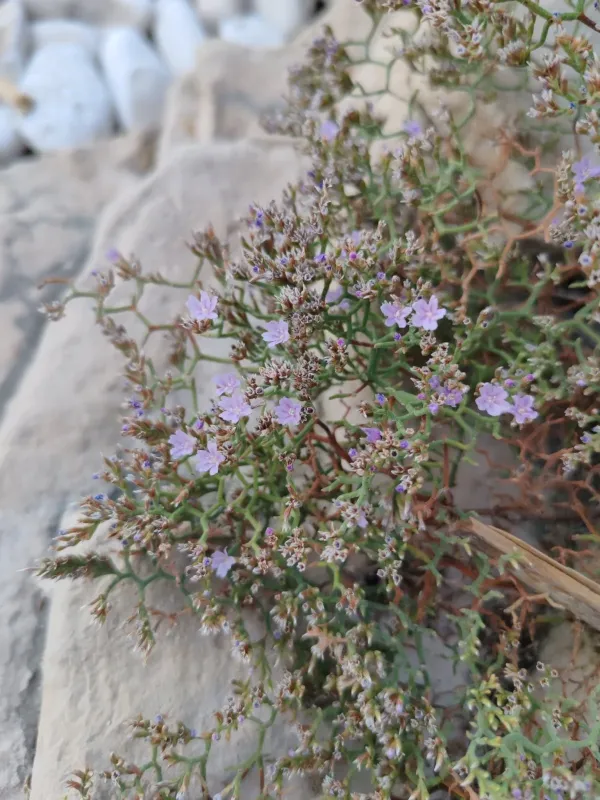
Description
Sowing dates
Seeds of Limonium cancellatum are typically sown in early spring once soil temperatures reach 12–15 degrees Celsius. For commercial production, starting plants in greenhouses during March ensures a more uniform germination.
The seeds require a well-draining, light, sandy substrate to germinate successfully. It is crucial not to bury the seeds too deeply, as they need a small amount of light to initiate growth.
Consistent, moderate moisture is required during the initial germination phase, but overwatering must be avoided to prevent damping-off diseases.
Seedlings should be hardened off before being transplanted to the open field, usually when the risk of night frost has completely passed.
Spacing should be maintained at 30–40 centimeters between plants to allow for proper root development and air circulation around the basal leaf rosette.
Growing requirements
Limonium cancellatum, a member of the Plumbaginaceae family, is a known halophyte that thrives in saline, sandy, and rocky soils typical of coastal habitats.
The plant is highly drought-tolerant and performs best in full sun exposure. It requires high solar radiation levels to produce the pigment necessary for vibrant flower heads.
Soil drainage is the most critical environmental factor; the plant will struggle and potentially die in stagnant or waterlogged conditions.
It prefers a neutral to slightly alkaline soil pH and does not require heavy fertilization, as it is adapted to nutrient-poor, mineral-rich coastal environments.
The ideal climate features hot, dry summers and mild winters. Excessive atmospheric humidity during the flowering stage can significantly compromise flower quality.
Yield
The economic value of this crop is primarily found in the dried flower industry, where it is prized for its structural integrity and long-lasting color.
Yields are maximized by providing ample space and ensuring that competing weeds are kept to an absolute minimum during the early vegetative stage.
Regular maintenance, including the removal of early-season flower buds if the plant has not reached sufficient size, can increase overall yield in subsequent flushes.
Productivity is directly linked to soil salinity; while not mandatory for survival, slight salinity often enhances the plant's natural hardiness and drought-resistance mechanisms.
Sustainable harvest strategies involve selective cutting of fully developed inflorescences, leaving the basal rosette undisturbed for potential future growth cycles.
Main diseases and pests
Root rot and fungal infections are the primary threats, especially in regions with unexpected summer rainfall or poor soil aeration.
Aphids and spider mites are common pests that target the plant, particularly during the development of flower stalks, which can weaken the stems.
Integrated pest management, including the use of neem oil or targeted fungicides, is recommended to keep pest populations below the economic injury level.
Weed control is essential, as the slow-growing nature of the plant in its early stages makes it highly susceptible to competition from faster-growing invasive grasses.
Regular inspection of the basal foliage is necessary to detect early signs of mildew, which can spread rapidly in dense, poorly ventilated planting blocks.
Harvesting
Harvesting should occur when 70–80 percent of the flowers on the inflorescence are open, ensuring the most attractive visual appearance for final products.
Stems must be cut with sharp, sterilized tools to ensure a clean break, reducing the risk of wound-related infections on the mother plant.
Drying must take place in a cool, dark, and well-ventilated area to prevent bleaching of the flowers and to ensure the stems remain sturdy and vertical.
Avoid stacking bunches too closely during the drying process, as this restricts airflow and promotes the growth of mold within the center of the bundles.
Once fully dehydrated, the material should be stored in dry, moisture-controlled environments to maintain its longevity for several years in decorative arrangements.