
Limonium bungei
Limonium bungei
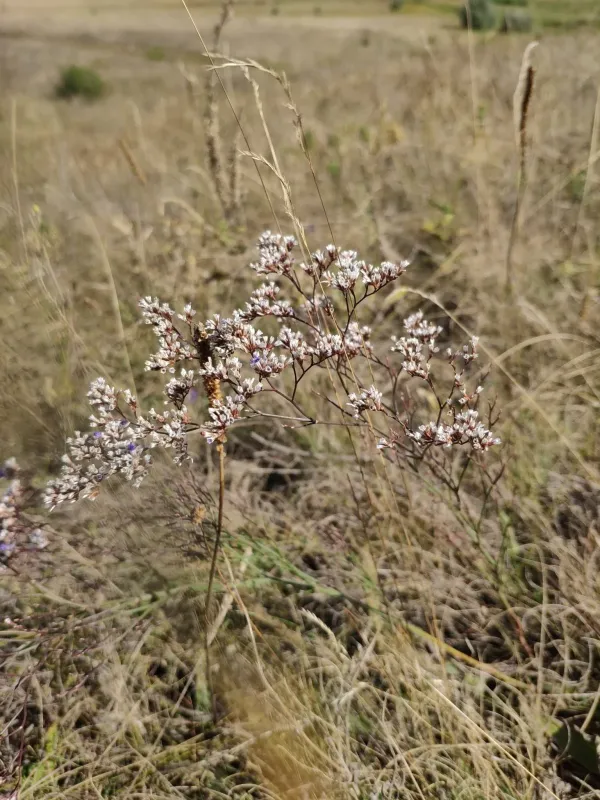
Description
Sowing dates
Sowing Limonium bungei seeds in the open field is primarily carried out in the spring, once the soil has warmed up, usually in April or early May. For faster vegetation in temperate climates, the seedling method is practiced.
The seeds of this plant have a dense seed coat, so it is recommended to scarify them or keep them in a moist environment for several days before planting to improve germination rates.
When sowing, the seeds should be planted at a depth of no more than 1 cm, ensuring good soil contact for uniform germination. It is important to avoid excessive depth, which can hinder sprout development.
After the emergence of seedlings, thinning should be carried out, leaving a distance of about 30–40 cm between plants, as the crop requires sufficient space to develop a strong rosette of leaves.
The temperature during germination should be maintained at 18–20 degrees Celsius, which ensures strong and uniform sprouts ready for further transplanting to their permanent location.
Growing requirements
Limonium bungei belongs to the Plumbaginaceae family and is a halophyte, which explains its high resistance to harsh environmental conditions and saline soil types.
The plant prefers well-drained, light sandy or sandy-loam soils with a neutral to slightly alkaline pH, while demonstrating an ability to adapt to nutrient-poor sites.
A key requirement is maximum sun exposure, as lack of light causes flower stems to become brittle and significantly reduces the color intensity of the inflorescences.
The crop is extremely drought-tolerant and cannot withstand waterlogging of the root system, which can lead to decay, so choosing a site on elevated terrain is mandatory.
Fertilizers should be applied moderately, avoiding an excess of nitrogen, which stimulates vegetative growth at the expense of flowering, which is particularly critical for high-quality dried flower production.
Main diseases and pests
The most serious threat to Limonium bungei is fungal diseases that develop under conditions of high air humidity and poor ventilation within the plot.
Powdery mildew is a frequent occurrence, manifesting as a whitish coating on the leaves, which significantly reduces the plant's aesthetic value and slows the formation of flower spikes.
Pests such as aphids and thrips may colonize the inflorescences during the budding period, sucking sap from tissues and causing stem deformation, necessitating timely application of insecticides.
Root rot is a consequence of improper irrigation or heavy, water-retaining soils, so preventive measures include creating quality drainage and maintaining optimal planting spacing.
To prevent the spread of pathogens, it is necessary to strictly control field hygiene, promptly remove plant debris, and perform prophylactic fungicide treatments during rainy seasons.
Harvesting
Harvesting of Limonium bungei is carried out during the peak flowering phase, when the inflorescences are fully open and maintain maximum pigment saturation, ensuring the individual flowers do not shed.
Stems should be cut in dry weather, preferably in the morning hours after the dew has evaporated, to prevent excess moisture accumulation inside the bunches during the drying process.
To preserve their shape, the bunches are hung upside down in a well-ventilated room protected from direct sunlight, which helps maintain the brightness of the color and the structure of the flowers.
Agricultural use includes creating floral arrangements and as a valuable component for winter bouquets and dried flower crafts, where the crop is prized for its durability.
After cutting, the flower stems should be cleaned of basal leaves, which have no decorative value when dried and contribute to moisture retention within the bouquet, which is detrimental to storage.