
Rock sea-lavender
Limonium binervosum
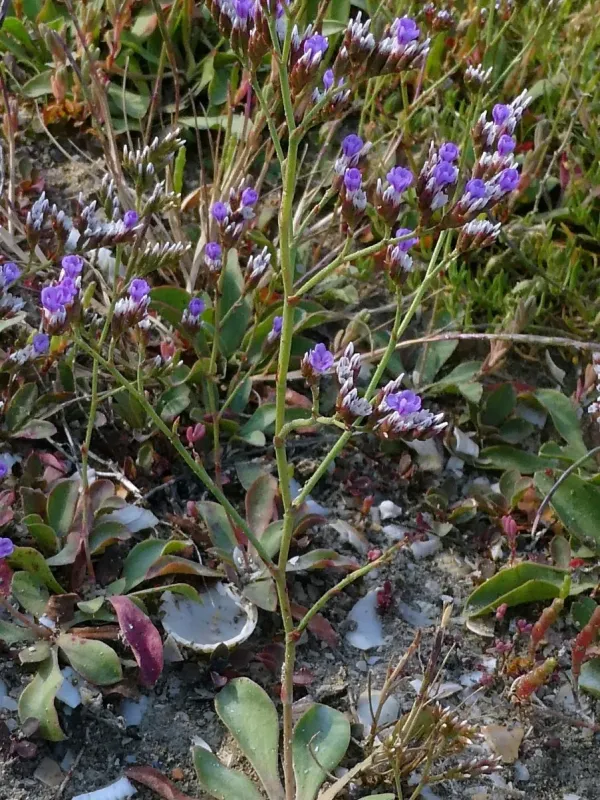
Description
Sowing dates
Limonium binervosum is a perennial herbaceous plant belonging to the Plumbaginaceae family. Seeds are typically sown in early spring, usually between March and April, using a specialized greenhouse substrate to ensure success.
Stratification is highly recommended for these seeds. Keeping them in a cold environment for a few weeks before sowing helps break dormancy and promotes a more uniform germination rate across the seed tray.
Optimal germination occurs at temperatures between 18 and 20 degrees Celsius. Seeds should be surface-sown or covered with a very thin layer of fine vermiculite, as light is beneficial for their initial development.
Transplanting seedlings into individual pots is necessary once the first true leaves have developed. This step helps in building a robust root system before the plants are moved to their permanent outdoor location.
Outdoor planting should only occur after the risk of frost has passed. Typically, late May is the ideal time to establish these perennials, ensuring they have sufficient time to acclimate to the environment before winter.
Growing requirements
This species is highly adapted to coastal conditions and exhibits remarkable salt tolerance. It naturally thrives in rocky crevices and saline soils, which should be reflected in the cultivation environment.
Well-drained, sandy, or gritty soil is essential. Because the plant is susceptible to root rot, heavier soils must be amended with gravel or coarse sand to prevent water stagnation around the root zone.
A full sun exposure is non-negotiable for this plant. It requires high light intensity to trigger flowering and to maintain the vibrant color of its characteristic papery bracts.
Watering should be managed with caution. Once the plant is established, it is relatively drought-tolerant and prefers cycles of moist and dry soil rather than constant saturation, which could lead to health issues.
The plant is resilient to coastal winds and prefers environments with good air circulation. In agricultural settings, spacing should be sufficient to allow wind to move through the canopy, reducing the risk of pathogen buildup.
Main diseases and pests
Root rot is the most significant threat, often caused by poorly drained soils or overwatering. Maintaining a lean, well-aerated substrate is the primary preventative measure for this condition.
Powdery mildew can infect leaves during periods of high humidity and stagnant air. Keeping the plant foliage dry and ensuring adequate spacing between individual plants are effective strategies for disease control.
Aphids occasionally infest the flowering stalks. If population levels become significant, the application of appropriate biological control agents or targeted insecticides can prevent damage to the aesthetic quality of the blooms.
Root nematodes can cause stunting and overall decline in plant vigor. To mitigate this risk, growers should prioritize the use of sterilized potting mixes and implement sound crop rotation practices.
Winter hardiness can be a concern in cooler climates. Providing a layer of dry mulch can protect the crowns from extreme temperature drops and prevent ice damage during the winter months.
Harvesting
Harvesting is ideally performed at the peak of the flowering period, when the bracts have fully developed their color. This ensures the best aesthetic results when the material is eventually dried.
Stems should be cut using clean, sharp secateurs to avoid crushing the tissue. It is crucial to harvest during dry, sunny weather to ensure that the plant material contains as little internal moisture as possible.
The stems must be hung in inverted, loose bundles within a dark, ventilated space. Darkness is vital to preserve the natural pigments and prevent the colors from fading due to ultraviolet exposure.
The drying process generally takes about one to two weeks, depending on the ambient humidity levels. The end product should feel papery, rigid, and show no signs of residual moisture in the thickest parts of the stems.
Once dried, Limonium binervosum is a premium choice for the floral industry. Its ability to retain its structure and color over long periods makes it an ideal component for permanent dried arrangements.