
Whorled clary
Salvia verticillata L.
Description
Sowing dates
Sowing Whorled clary seeds in open ground is typically done before winter or early in the spring, as soon as the soil warms up to 10 degrees Celsius. A seedling method is also possible, involving sowing in containers during March and providing supplementary lighting to encourage strong root development.
When sown before winter, the seeds undergo natural stratification, which increases the germination rate in the spring. Seeds are distributed on the surface of loose soil and lightly covered with substrate, as they require a small amount of light to germinate effectively.
The sowing depth should not exceed 0.5–1 cm to ensure that the sprouts can easily reach the surface. It is recommended to maintain a distance of 40–50 cm between rows, which ensures optimal ventilation and facilitates easy access for agronomic maintenance activities.
To establish dense stands, a spacing of 30 cm between rows can be used, allowing the plants to close the canopy quickly and suppress weed growth within the plot. The crop shows good germination energy when provided with sufficient soil moisture.
After emergence, the plants should be thinned to a distance of 25–30 cm between specimens. It is important to remove weeds early in the vegetation stage, as young sage plants develop relatively slowly during their initial growth phase.
Growing requirements
Whorled clary belongs to the Lamiaceae family and is an undemanding perennial plant that grows naturally on dry slopes, meadows, and along roadsides. The plant demonstrates high ecological plasticity and the ability to adapt to various growing conditions.
For successful cultivation, well-lit areas with light, calcareous, and well-drained soils are preferred. The crop does not tolerate waterlogging; therefore, on heavy clay soils, it is necessary to create drainage systems or raised beds to prevent root rot.
The optimal temperature range for active growth is 18–25 degrees Celsius. The plant exhibits high frost resistance and drought tolerance, making it a promising crop for regions with continental climates where winter survival is a key factor.
Fertilizer requirements are moderate; applying organic matter in the autumn during soil preparation is sufficient. Excessive nitrogen fertilizer can reduce the concentration of essential oils in the foliage and lead to excessive vegetative growth at the expense of flowering.
The plant is an excellent honey plant, with a flowering period occurring from June to August, which makes it highly valuable for beekeeping. In landscape design and agriculture, it is valued for its decorative appearance and ability to attract beneficial pollinators.
Yield
The yield of above-ground biomass of Whorled clary depends on the age of the plantation and the agronomic background. In the second year of growth, the plant reaches full development, providing the maximum output of raw material for pharmaceutical or fodder use.
Harvesting raw materials for medicinal purposes is carried out during the peak flowering period, cutting the upper parts of the stems, about 20–30 cm long. With proper care, it is possible to harvest two full crops of green mass per season.
Drying of the raw material must be carried out in shaded, well-ventilated areas to preserve essential oils. Under proper drying conditions, the yield of dried raw material is approximately 20–25 percent of the total mass of freshly harvested plants.
Plantations maintain high productivity for 5–7 years in one location, after which rejuvenation or relocation of the plantings is required. Old plants may lose foliage density, which decreases the overall yield of marketable produce.
Additional income for farmers is obtained from seed collection, which ripens in August–September. High seed productivity allows for self-replenishment of planting material, reducing the need for external sourcing.
Main diseases and pests
Common diseases for Whorled clary include fungal infections such as powdery mildew and rust. The development of these pathogens is promoted by high air humidity and poor air circulation within dense plantings or shaded areas.
Root rot can occur during systemic waterlogging of the soil or lack of proper drainage. Prevention includes adherence to crop rotation, thinning of sowings, and the use of fungicides at early stages when the first signs of infection are detected.
Among pests, slugs and snails pose the greatest danger, as they damage young leaf plates in the spring. For control, mechanical traps or modern preparations based on metaldehyde or iron phosphate are effective options.
Sometimes plantings are affected by spider mites, especially during prolonged hot and dry weather conditions. Regular inspection of the plants and spraying with infusions of wormwood or garlic help keep the pest population at a safe level.
- Powdery mildew
- Rust
- Root rot
- Slugs
- Spider mites
Harvesting
Harvesting is primarily performed during the full flowering phase, as the plant contains the maximum reserve of biologically active substances at this time. The use of mechanized tools (mowers) is acceptable for large industrial plots.
Cutting is carried out at a height of 10–15 cm from the soil surface, which stimulates the regrowth of the stubble for subsequent cuts or for preparing the plant for successful wintering. It is important that the tools are sharp and disinfected to prevent the spread of infections.
Harvested raw materials should not be left in direct sunlight, as ultraviolet radiation degrades essential oils, reducing product quality. Transport to the drying area should be done in loose bags or crates to prevent the greens from heating up.
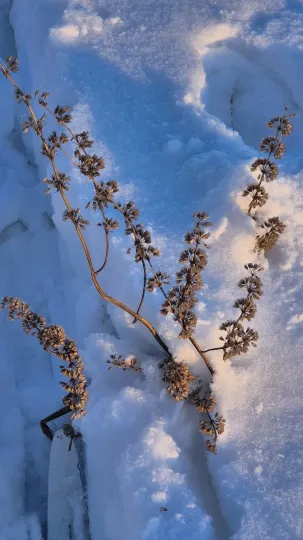
For seed collection, harvesting is performed when the inflorescences begin to turn brown and the seeds acquire a characteristic dark color. The inflorescences are cut and dried under a canopy, followed by threshing and cleaning using seed winnowing machines.
Cleaned seeds are dried to a moisture content of 8–9 percent and stored in dry, cool rooms in paper packaging. This preserves the viability of the planting material for 3–4 years without quality loss.