
Ligularia veitchiana
Ligularia veitchiana
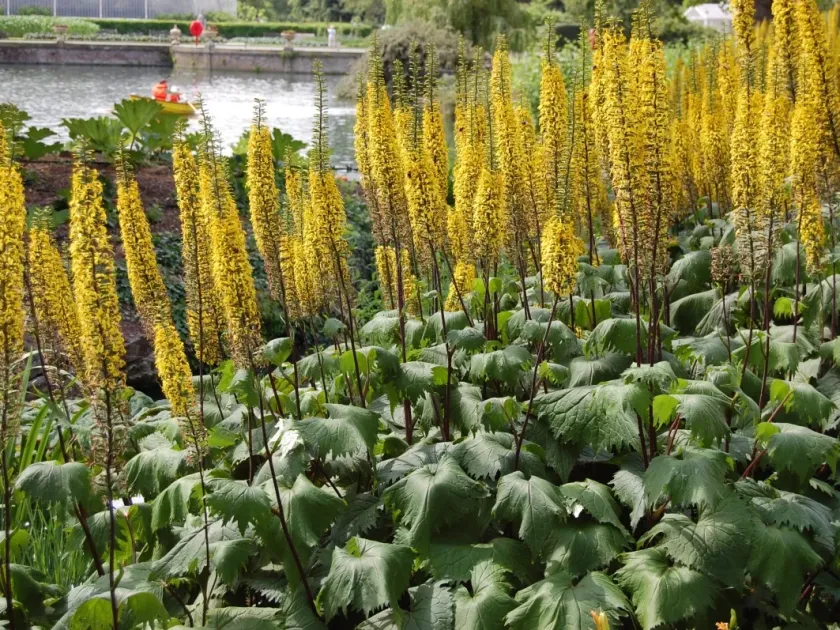
Description
Sowing dates
Ligularia veitchiana is propagated through seed sowing or division of the root clump. Sowing seeds outdoors in late autumn allows for natural cold stratification during the winter months.
For early spring propagation, seeds should be stratified in a refrigerator at low positive temperatures for 6 to 8 weeks before being sown in pots.
Division is the most reliable method for maintaining consistency. Dig up established plants in early spring or autumn and carefully separate the rhizomes, ensuring each segment has at least one bud.
When sowing, seeds should be covered very lightly with soil, as they require light to germinate. Maintaining high humidity is critical for the germination period.
Newly divided plants should be watered thoroughly and may require temporary shading until they establish a robust root system in their new location.
Growing requirements
Ligularia veitchiana belongs to the Asteraceae family. Originating from China, it is prized for its architectural foliage and long, yellow, spike-like inflorescences.
This species is a moisture-loving perennial. It thrives in heavy, nutrient-rich soils that retain moisture consistently throughout the growing season.
The plant performs best in partial shade to full shade environments. Exposure to hot, direct midday sun usually results in leaf scorching and rapid wilting.
Optimal agro-techniques include frequent watering, especially during dry spells. Mulching the area around the base helps retain soil moisture and suppresses weeds.
It is winter-hardy and generally does not require winter protection in temperate climates. It is best used in landscaping near ponds, streams, or in shaded borders.
Main diseases and pests
Slugs and snails are the most significant pests for Ligularia species. They feed on the succulent leaves, often leaving large holes that ruin the ornamental value.
Integrated pest management strategies include placing physical barriers or using pet-safe baits to control slug populations during humid weather.
Powdery mildew is the most common fungal disease affecting the plant. It is often triggered by overcrowding and fluctuations in humidity or temperature.
Maintaining adequate space between plants to improve air circulation is a primary preventive measure against fungal pathogens and leaf spots.
While generally robust, monitoring for aphids on the flower spikes is recommended during the peak flowering season to prevent sap depletion.