
Ligularia jamesii
Ligularia jamesii
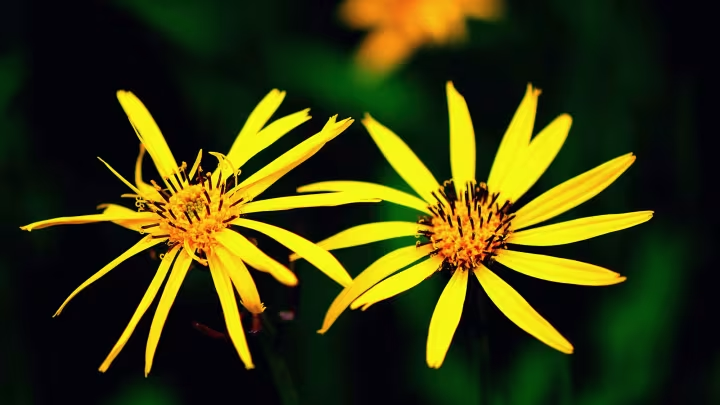
Description
Growing requirements
Ligularia jamesii is a perennial herbaceous plant belonging to the Asteraceae family. Known for its lush foliage and tall, striking flower spikes, it is an esteemed species in temperate gardening and specialized landscaping projects.
Native to moisture-rich regions of East Asia, the plant thrives in environments that mimic its natural habitat. It is considered an essential component for gardens that prioritize shade-loving and moisture-demanding vegetation.
The crop requires fertile, moisture-retentive soil, preferably loamy or clay-based with significant organic content. Dry conditions are detrimental to the plant, as it has a very low tolerance for drought and requires consistent irrigation.
Regarding light exposure, Ligularia jamesii performs best in partial shade. While it can withstand some morning sunlight, it generally struggles under harsh midday heat, which can lead to rapid wilting and scorched leaf margins.
Agronomic maintenance centers on moisture management and soil enrichment. Mulching is highly recommended to retain soil humidity and suppress weed growth, ensuring the plant remains healthy throughout the growing season.
Main diseases and pests
The primary pests affecting this crop are gastropods, such as slugs and snails, which feed extensively on the broad leaves during humid weather. Integrated pest management strategies are often necessary to prevent significant foliage damage.
In terms of pathology, powdery mildew remains the most significant threat to plant health, particularly in stagnant or crowded conditions. Proper plant spacing is essential to facilitate air circulation and mitigate fungal disease pressure.