
Japanese ligularia
Ligularia japonica
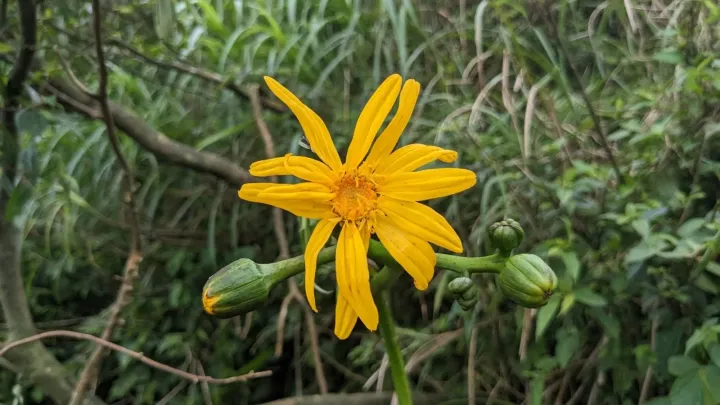
Description
Sowing dates
Propagation of Ligularia japonica is most commonly achieved through division of the root clump, which ensures rapid establishment and preserves the specific characteristics of the parent plant. The optimal timing for this procedure is early spring, as the plant begins its growth cycle, or early autumn.
Seed propagation is also viable, although it requires stratification in cool temperatures for one to two months to break dormancy. Seeds can be sown in nursery trays or directly into open ground before winter, which typically results in stronger seedlings during the following spring.
When sowing, it is essential to use a light substrate rich in organic matter. Seeds should not be planted deeper than one centimeter, as they require adequate light exposure to germinate successfully.
Maintaining consistent soil moisture is crucial during the germination phase, as drying out can lead to seedling failure. Once the plants have developed two or three sets of true leaves, they can be transplanted to their permanent location with a spacing of at least 50–70 centimeters.
For a successful start, applying mulch made of peat or compost around the base is recommended. This practice helps retain soil moisture and protects the delicate root system from temperature fluctuations during the transition seasons.
Growing requirements
Ligularia japonica, a member of the Asteraceae family, has specific moisture requirements for optimal growth. Native to the humid meadows of East Asia, it thrives in environments that mimic its natural habitat, requiring regular and consistent watering.
The plant performs best in fertile, heavy loam soils that are capable of retaining moisture. It is highly sensitive to drought, which is quickly reflected in its large, palmate-dissected leaves that droop if water is insufficient during hot periods.
Despite its preference for moisture, the plant cannot tolerate waterlogged conditions combined with freezing temperatures. Proper drainage is mandatory to prevent root rot, which is a major threat to the plant's health during the winter months.
Regarding lighting, Ligularia japonica prefers partially shaded locations. Direct midday sunlight can cause severe scorching of the foliage, so positioning the plant under tree canopies or on the north side of buildings is highly advisable.
The plant is relatively hardy and can withstand cold climates effectively. Thanks to its robust root system, it recovers quickly after winter, making it a reliable and low-maintenance perennial for shaded garden beds and water-side landscapes.
Main diseases and pests
Slugs and snails are the most significant pests for Japanese ligularia, as they frequently feed on the tender young leaves. These pests can significantly diminish the plant's aesthetic value and overall vigor if left unchecked.
Control strategies include manual removal or the installation of physical barriers such as wood ash, crushed eggshells, or coarse sand around the base of the plant. If an infestation becomes severe, the use of targeted molluscicides may be necessary.
Powdery mildew is a common fungal disease that can affect the plant, particularly in crowded conditions where air circulation is restricted. The disease manifests as a white, powdery coating on the leaves, leading to tissue degradation.
Preventive measures include thinning out plants to improve airflow, removing old foliage, and avoiding overhead watering during the evening. In case of an outbreak, systemic fungicides should be applied according to label instructions.
By following standard horticultural practices, such as proper spacing and regular monitoring, Japanese ligularia remains quite resilient to pests and diseases, providing years of consistent growth and ornamental beauty in the garden.