
Ligularia intermedia
Ligularia intermedia
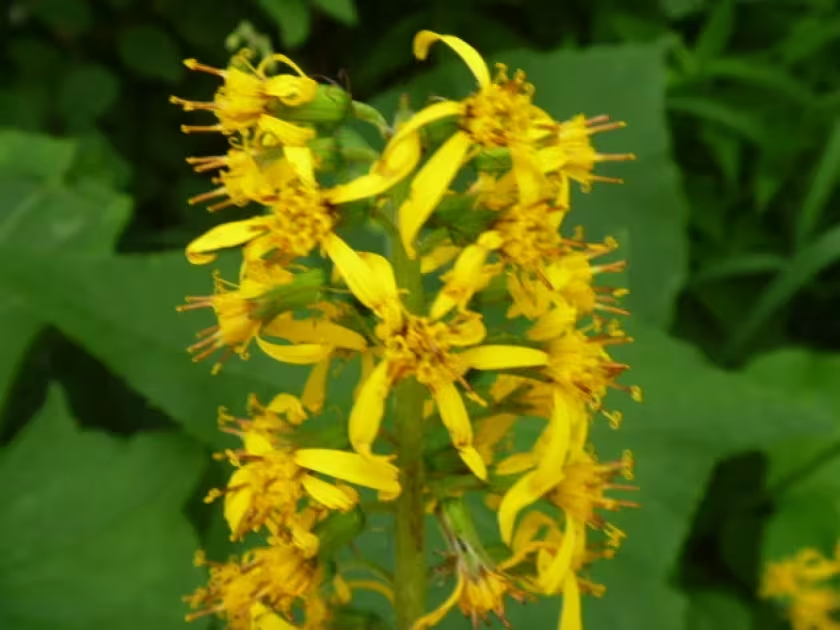
Description
Sowing dates
Sowing of Ligularia intermedia seeds is typically performed in late autumn for natural stratification or in early spring after artificial cold treatment. A period of 6–8 weeks at low temperatures is essential to break seed dormancy and ensure uniform germination.
Propagation by division is the most reliable method for established plants. This procedure is best carried out in early spring, just as the buds begin to swell, or in late autumn, ensuring each section contains at least 3–4 healthy buds for rapid establishment.
Planting depth for seeds should be shallow, approximately 1 centimeter, covered with a fine layer of substrate. When transplanting divisions, ensure the crown is level with the soil surface to prevent rot while allowing for sufficient space for the root system to spread.
Soil preparation is vital for this moisture-loving species. Incorporating organic compost or leaf mold into the soil before planting provides the necessary nutrients and helps maintain the required soil structure for long-term growth.
Spacing requirements are significant due to the plant's robust foliage. Planting at least 60–80 centimeters apart allows for adequate air circulation, which is crucial for preventing fungal outbreaks during the peak of the growing season.
Growing requirements
Ligularia intermedia belongs to the Asteraceae family and thrives in cool, moist environments. It is highly valued for its large, decorative foliage and tall spikes of yellow flowers, making it an ideal candidate for bog gardens or shaded borders.
The plant requires consistently moist, fertile soil with a high content of organic matter. It performs poorly in dry or sandy soils, which fail to retain moisture, leading to rapid wilting and chlorosis of the leaves during the heat of summer.
Site selection should prioritize partial shade locations. Protection from intense midday sunlight is essential, as direct exposure often causes the leaves to droop significantly, even if the soil moisture levels are adequate for survival.
The species demonstrates excellent cold hardiness and does not typically require specialized winter protection in temperate climate zones. However, covering the base with mulch during late autumn helps protect the crown and promotes earlier growth in the following spring.
Regular fertilization with balanced nutrients supports vigorous growth and prolific flowering. Applying a layer of mature compost around the plant base in early spring provides a slow-release source of nitrogen and minerals, reducing the need for chemical fertilizers.
Main diseases and pests
Slugs and snails represent the primary threat to Ligularia species. Their feeding activity can quickly destroy the aesthetic appeal of the plant's leaves, often resulting in ragged foliage during the spring and early summer when new growth is tender.
Powdery mildew is a common fungal challenge, particularly in areas with poor airflow and high humidity. It manifests as a white, dusty layer on the foliage, which can weaken the plant's overall health and photosynthetic capacity if left untreated.
Integrated pest management strategies, such as creating physical barriers with coarse materials or using non-toxic slug baits, are effective at managing mollusk populations. Regular garden sanitation is equally important to remove shelters where these pests reside.
To combat fungal infections, gardeners should improve spacing to increase air movement and apply systemic fungicides if the infection becomes widespread. Avoiding overhead irrigation helps keep the leaf surfaces dry and inhibits spore germination.
Monitoring the plant throughout the season is essential for early detection of issues. By maintaining soil health and providing optimal growing conditions, the plant's natural resistance is enhanced, reducing the impact of potential disease and pest outbreaks.