
Ligularia jaluensis
Ligularia jaluensis
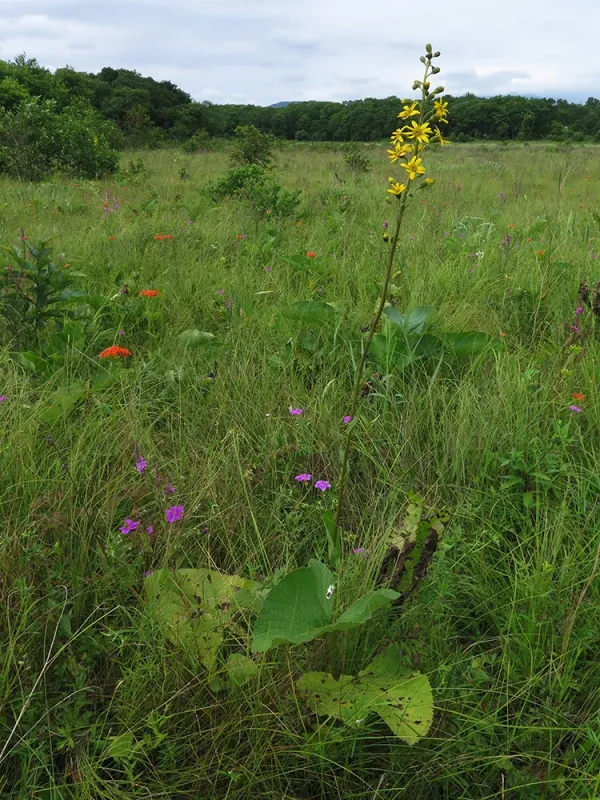
Description
Sowing dates
Sowing seeds of Ligularia jaluensis is most successful when performed in the late autumn, allowing the seeds to undergo natural winter stratification in the soil.
If sowing in the spring, ensure seeds are stratified in cold storage or a refrigerator at temperatures between 2°C and 4°C for at least six to eight weeks.
Use a sterile, well-draining seed-starting mix to ensure adequate moisture retention without causing seed rot during the critical germination phase.
Seeds should be lightly covered with a thin layer of soil or vermiculite, as some species in the Asteraceae family require light to germinate efficiently.
Maintain consistent humidity for the seedlings during the first few weeks, using a greenhouse cover or plastic film to prevent the surface from drying out.
Growing requirements
Ligularia jaluensis is a member of the Asteraceae family, native to East Asia, thriving in shaded environments with consistently moist, nutrient-rich soil conditions.
This perennial requires a location with partial to full shade, as direct intense sunlight can cause severe leaf scorch and dehydration of the broad foliage.
The soil must have a high organic content, such as compost or well-rotted leaf mold, which mimics the natural forest floor habitat of this specific cultivar.
Water management is the most critical aspect of maintenance; the root zone must never fully dry out, requiring frequent irrigation during mid-summer heatwaves.
Mulching the base of the plant is highly recommended to retain soil moisture, suppress weed competition, and maintain an even temperature in the root system.
Main diseases and pests
Slugs and snails represent the primary threat to Ligularia jaluensis, as they are attracted to the succulent leaves and can consume large portions of the plant quickly.
Effective pest control strategies include physical barriers, such as copper tape or crushed eggshells, alongside the use of environmentally safe slug pellets.
Powdery mildew is a common fungal threat, typically triggered by poor air circulation and high humidity levels during the mid-to-late summer months.
To reduce disease pressure, gardeners should ensure adequate spacing between individual plants and remove any yellowing or decaying lower leaves regularly.
If fungal infections persist, the use of organic sulfur-based fungicides or appropriate systemic treatments can help restore the health of the foliage.