
Ligularia amplexicaulis
Ligularia amplexicaulis
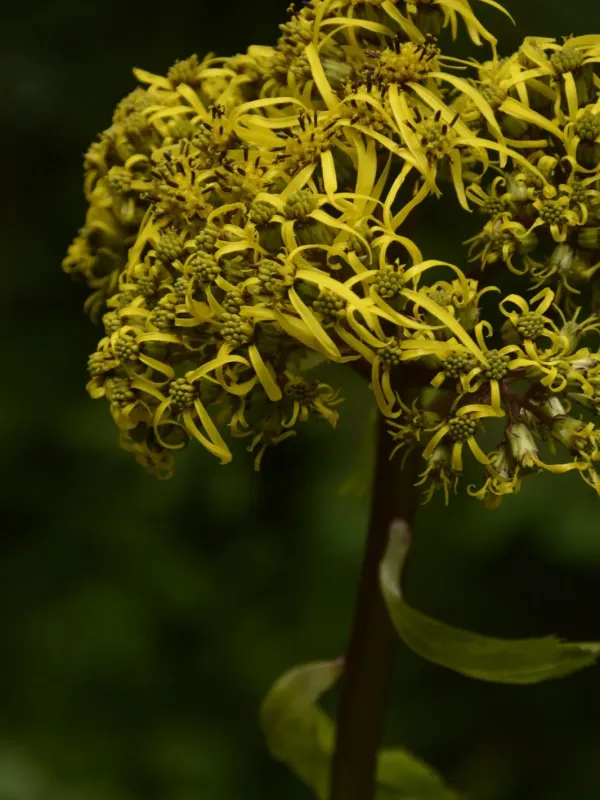
Description
Growing requirements
Ligularia amplexicaulis is a perennial herbaceous plant belonging to the Asteraceae family. Its botanical characteristics include broad leaves that clasp the stem, which is the primary feature distinguishing it from other species in the genus.
Originating from mountain regions, this plant is naturally adapted to cool and moist environments. It is a highly valued ornamental plant often cultivated for its robust foliage and vibrant flowering spikes that appear in late season.
The cultural requirements for Ligularia amplexicaulis focus primarily on moisture management. It thrives in fertile, moisture-retentive soils and requires a location that offers partial shade, shielding it from intense afternoon sun.
Climate adaptability is limited to temperate zones where summer temperatures do not cause excessive dehydration. Consistent watering is essential, as the plant's large leaves are highly susceptible to wilting under drought conditions.
In landscape architecture, it is utilized for mass plantings in wet areas, along pond margins, and in shaded perennial borders. Its structural elegance provides a dramatic aesthetic contrast to more delicate garden flora.
Main diseases and pests
The most significant pests affecting this species are slugs and snails. Due to the moist environment required for the plant's health, these mollusks are frequently attracted to the large, succulent leaves, causing substantial damage.
Powdery mildew represents a common pathological threat, particularly when plants are grown in overcrowded conditions with poor air circulation. This fungal disease creates a white powdery film on the foliage, impacting photosynthesis.
Gray mold (Botrytis) can occur if the humidity remains excessively high and the soil drainage is inadequate. Managing water levels and ensuring proper spacing are critical cultural practices to mitigate this risk.
Pest management programs typically involve a combination of biological barriers and targeted molluscicides. Regular monitoring for early signs of infestation is recommended to prevent widespread foliage damage.
Integrated disease management involves pruning away any infected tissue immediately upon detection. Proper spacing of plants during the initial sowing or planting phase significantly reduces the prevalence of fungal outbreaks.