
Siberian ligularia
Ligularia sibirica
Description
Growing requirements
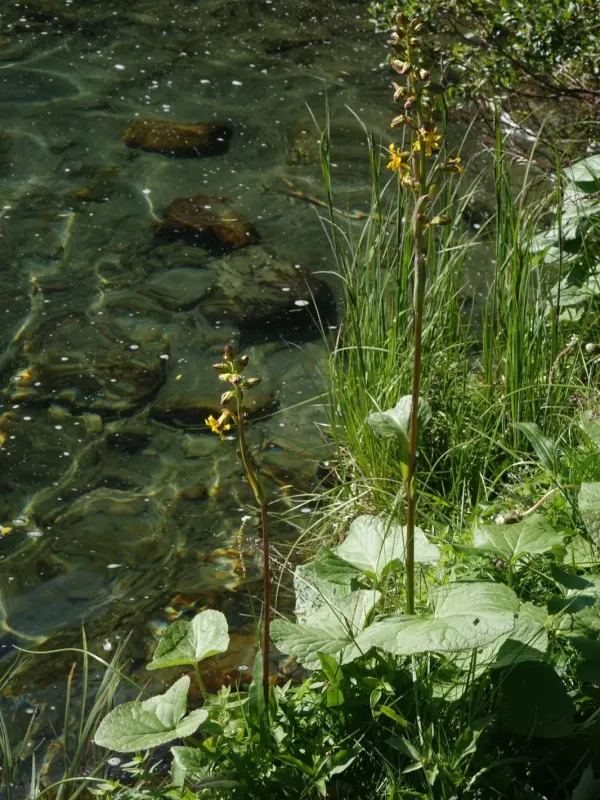
Siberian ligularia (Ligularia sibirica) is a perennial herbaceous plant belonging to the Asteraceae family. Native to Eurasia, it typically thrives in marshy meadows, along riverbanks, and in wet forest clearings, indicating its natural preference for high moisture environments.
The plant is characterized by a basal rosette of large, heart-shaped leaves and tall, erect stems that bear spikes of bright yellow daisy-like flowers. Its architectural form makes it an exceptional choice for gardeners seeking to add vertical interest to shady, damp spots.
Cultivation requires careful site selection, as the plant demands partial shade to protect its leaves from scorching. Constant soil moisture is the most critical factor; therefore, the plant performs best when planted near water features or in areas with naturally high water tables.
Rich, moisture-retentive soils such as heavy loams are preferred for optimal growth. Providing high organic matter content through regular mulching or the addition of compost ensures the vigor and longevity of the plant, as it is a heavy feeder during the growing season.
Beyond its use in ornamental landscaping, the Siberian ligularia holds significance in traditional herbal practices within its native range. Due to its hardiness, it remains a reliable choice for gardens in cooler climates, requiring minimal protection during winter dormancy.
Main diseases and pests
Slugs and snails are the most persistent pests for this species, particularly during humid weather conditions. Gardeners should implement integrated pest management, such as using copper barriers or manual traps, to protect the foliage from extensive damage.
Powdery mildew can affect the plants if airflow is poor and the foliage stays wet for prolonged periods. To manage this, ensure adequate spacing between plants and avoid overhead irrigation to keep the leaves dry during the hottest parts of the day.