
Ligularia narynensis
Ligularia narynensis
Description
Sowing dates
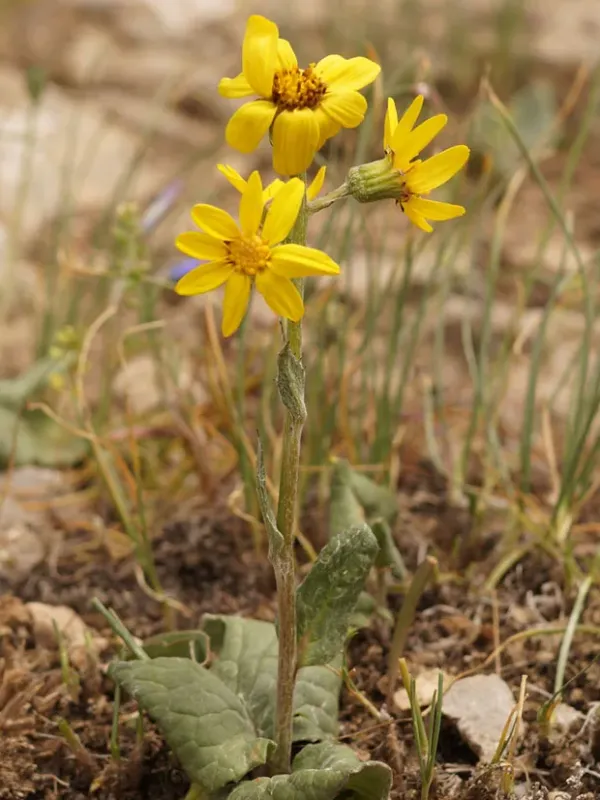
Ligularia narynensis is a perennial herbaceous plant belonging to the Asteraceae family. Known for its specific ecological requirements, this species requires careful preparation when grown under cultivated conditions to ensure proper development of its root system.
Seed propagation is the most common method, requiring a stratification process to break dormancy. Seeds should be sown in a well-draining, humus-rich medium, ideally during the early spring or late autumn months to mimic natural germination cycles.
Depth of sowing must be kept minimal, around 0.5 cm, as light exposure is often beneficial for germination. Maintaining consistent moisture levels throughout the germination period is critical, as the seeds are sensitive to drying out.
The development of the seedlings is relatively slow, often requiring a full season to establish a robust basal rosette of leaves before transplanting. Ensuring the substrate is free from weeds and competitive grasses is vital during the early establishment phase.
Once established, the plants demonstrate a perennial habit, returning each year from a hardy rootstock. Proper spacing during initial planting is recommended to allow for adequate air circulation between mature specimens.
Growing requirements
Being a high-altitude species, Ligularia narynensis thrives in cool, moist environments. It performs best in partial shade, as direct, intense sunlight can scorch its large, sensitive leaves and reduce its overall vitality.
Soil requirements are strict: the plant needs fertile, moist, and well-aerated soil. It cannot tolerate drought conditions, and its root system may suffer significantly if the substrate loses all moisture for extended periods during the summer.
Water management is the cornerstone of its agricultural practice. Providing a steady supply of moisture via irrigation or proximity to a garden pond is highly recommended for plants grown in temperate climates.
The plant possesses excellent winter hardiness, making it suitable for regions with freezing temperatures. It goes into dormancy during the winter and recovers quickly once the soil temperatures begin to rise in the spring.
Fertilization should be handled with care, utilizing organic mulch or composted leaf mold. These materials provide steady nutrient release while helping the soil retain the necessary structure and moisture for optimal root health.
Main diseases and pests
Slugs and snails represent the primary pest threat to the plant, especially in moist garden environments. They are known to graze on the succulent foliage, potentially causing severe aesthetic and physiological damage to the plant.
Fungal diseases, including leaf spot and powdery mildew, may occur if air circulation around the foliage is restricted. Maintaining proper plant spacing and ensuring the leaves remain dry during the night can significantly lower disease pressure.
Root rot is a major risk factor if the planting site lacks proper drainage. Over-saturation of the soil, particularly in heavy clay-based garden soils, will almost inevitably lead to the decay of the root system.
Aphids can occasionally colonize the flower stalks, causing stunted growth and deformity. While usually not fatal, heavy infestations should be treated with insecticidal soaps to prevent damage to the upcoming bloom.
Effective management includes regular monitoring and the removal of necrotic plant tissues. Keeping the base of the plant free of decaying vegetation reduces the habitats available for various pests and pathogens.