
Mongolian leopard plant
Ligularia mongolica
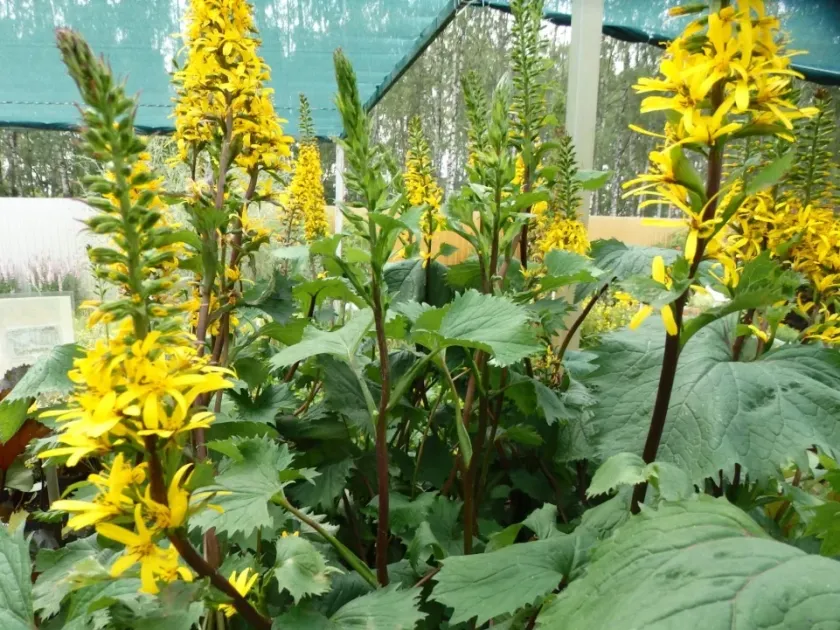
Description
Growing requirements
The Mongolian leopard plant (Ligularia mongolica) is a robust perennial herb belonging to the Asteraceae family. This species is native to regions in East Asia, including Mongolia and China, where it thrives in naturally humid environments.
The plant is distinguished by its strong, fibrous root system and upright growth habit, typically reaching heights of up to one meter. The leaves are predominantly basal and elongated, providing a lush, green texture that lasts throughout the growing season.
Successful cultivation requires soil that is rich in organic matter and maintains constant moisture. Unlike many garden species, this plant performs poorly in dry conditions, making it an ideal candidate for low-lying areas or near water features.
In terms of light exposure, the species favors partial shade. Exposure to intense afternoon sun is generally discouraged as it can lead to leaf scorching and wilting, necessitating frequent irrigation to sustain the plant's metabolic processes.
Hardiness is one of the key benefits of this plant, as it is well-adapted to cooler climates. Its main хозяйственное purpose is ornamental, often utilized in landscape architecture to provide structural beauty in damp, shady garden corners.
Main diseases and pests
Slugs and snails represent the primary threat to Ligularia mongolica. These pests are highly attracted to the broad, succulent foliage, especially during spring and autumn when humidity levels are elevated.
Powdery mildew is the most common fungal disease associated with this plant. It typically appears as a white, dusty layer on the leaves, usually triggered by poor air circulation or overcrowding in the garden bed.
Root rot occurs in poorly drained soils where water remains stagnant around the crown. This condition can lead to rapid plant decline, often making it difficult to recover the specimen without drastic measures.
Effective management includes the use of organic deterrents against gastropods and ensuring sufficient spacing between plants to encourage airflow. Keeping the garden free of debris helps minimize hideouts for pests.
In cases of fungal infestation, removing infected leaves and applying a suitable fungicide is recommended. Regular monitoring remains the most effective strategy to ensure the longevity of the plant population.