
Big-leaved ligularia
Ligularia macrophylla
Description
Growing requirements
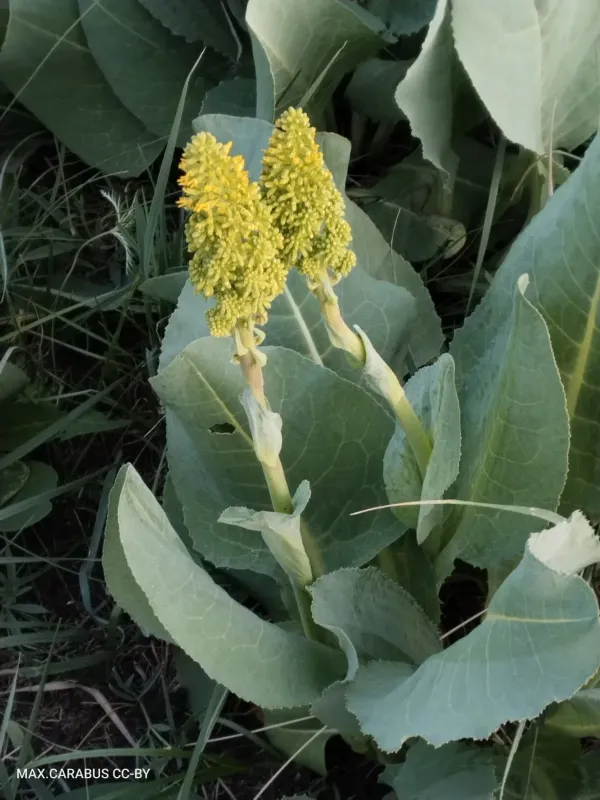
Ligularia macrophylla, commonly known as the big-leaved ligularia, belongs to the Asteraceae family. This hardy perennial originates from East Asia, thriving naturally in damp meadows and riverside environments where moisture is consistently available.
To cultivate this plant successfully, it is essential to provide a shaded or semi-shaded location. Direct sunlight can easily scorch the large foliage, so a site protected from the afternoon sun is ideal for maintaining the plant’s vibrant appearance.
The crop demands nutrient-rich, heavy, and moist soil. Clay-based substrates are highly recommended as they excel at moisture retention, which is critical for preventing the plant from wilting during warmer periods of the growing season.
In terms of climate, Ligularia macrophylla is very resilient and withstands cold winters well. Proper horticultural practice involves consistent watering, especially during dry spells, and applying organic mulch to keep the roots cool and moist.
Beyond its use in ornamental gardening, the plant is valued for its unique architectural form. It works perfectly as a focal point in landscapes or as a border plant near ponds or water features where the environment is naturally humid.
Main diseases and pests
The most significant pests affecting this species are slugs and snails, which can cause severe aesthetic damage to the large leaves. Gardeners should implement manual removal or use protective barriers to prevent these pests from destroying the foliage.
Powdery mildew is a common fungal threat, particularly in crowded planting beds with poor airflow. It typically presents as a white, powdery coating on the surface of the leaves, which can reduce the plant's overall vigor.
Root rot may occur if the soil is excessively saturated for long periods without proper oxygen exchange. While the plant loves water, stagnant conditions in heavy, non-draining soil should be avoided.
Aphids can occasionally cluster on the flower stalks, causing distortion of the buds. Management involves monitoring and applying eco-friendly soap-based treatments to keep populations under control.
Maintaining proper plant spacing and ensuring good sanitation by clearing away dead leaves in the autumn will significantly lower the risk of pest outbreaks and fungal infections in the following year.