
Rock dandelion
Leontodon saxatilis
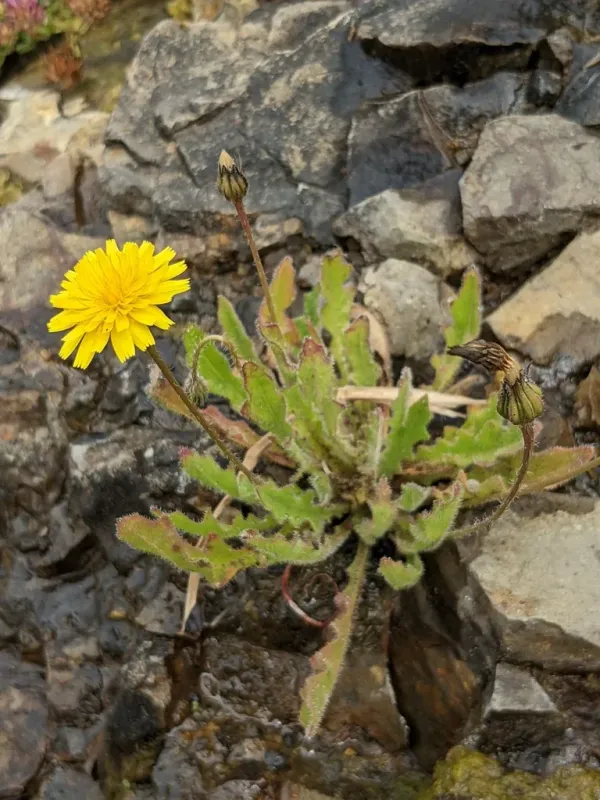
Description
Sowing dates
Rock dandelion (Leontodon saxatilis), a member of the Asteraceae family, is a perennial herb that demonstrates significant adaptability in agricultural settings. The optimal timing for sowing is early spring, once the soil has warmed sufficiently, ensuring rapid germination and uniform establishment of the crop.
Alternatively, late autumn sowing is possible, allowing seeds to undergo natural stratification. It is crucial to maintain a shallow planting depth of approximately 0.5 to 1 cm, as the seeds are small and have limited nutrient reserves to emerge from deeper soil layers.
Ensuring adequate soil moisture during the first two weeks post-sowing is vital for high field emergence. Light rolling of the soil after sowing can enhance capillary water movement and ensure better contact between seeds and the soil medium.
The plant exhibits vigorous early-stage growth, which allows it to establish rapidly and suppress weed competition effectively. This reduced competition significantly lowers the labor required for weed management in the initial months of development.
Crop rotation is essential for this species to prevent the buildup of soil-borne pathogens common to the Asteraceae family. Integrating rock dandelion into a diverse rotation cycle improves soil health and maintains long-term productivity across the farm.
##requirements##Success in cultivating rock dandelion relies heavily on selecting sites with excellent drainage, as the species is highly sensitive to waterlogging and poor soil aeration. It prefers light-textured, sandy loam or loamy soils with a neutral or slightly acidic pH level.
As a light-loving plant, it requires open, well-illuminated fields to achieve maximum biomass and high-quality seed production. Excessive shading can cause the plant to become leggy and significantly reduces its overall yield potential.
The species possesses a strong taproot, making it resilient to moderate drought conditions. However, for commercial biomass production, consistent rainfall or supplemental irrigation is required throughout the growing season to ensure optimal growth rates.
Soil preparation should involve deep ploughing and secondary tillage to create a fine, crumbly seedbed. Avoiding soil compaction is critical, as this species performs best when its root system can explore a loose, well-structured soil profile.
Nutrient management should be based on soil testing, with a focus on phosphorus and potassium. These nutrients strengthen the root structure and improve the plant's survival rate during cold winter months, ensuring a robust comeback in spring.
##yield##Rock dandelion is primarily utilized as a forage component in perennial pasture mixtures for livestock. Its foliage is rich in essential minerals and vitamins, making it a nutritious addition to the diet of grazing animals when harvested at the right phenological stage.
Biomass yield depends on the frequency of harvest and seasonal moisture availability. Under favorable conditions, the plant can produce multiple cuts per season, offering a reliable source of green feed for extended periods of the year.
Beyond its forage utility, the plant functions as a significant nectar source, attracting pollinators and beneficial insects to the farm. This biodiversity boost can improve the overall productivity of the agroecosystem and support integrated pest management programs.
While not a major industrial crop, the species is being explored for its content of specialized secondary metabolites. Its closeness to other medicinal herbs makes it an interesting subject for studies focused on extracting bioactive compounds for agricultural or veterinary use.
Seed harvest efficiency is a key factor in the crop's profitability. Because seeds are easily dispersed, timely collection and professional processing are necessary to secure high-quality planting material for subsequent agricultural cycles.
##threats##Primary threats to the crop include fungal diseases such as powdery mildew and various leaf rusts, which thrive in humid, stagnant air conditions. Regular scouting and maintaining proper plant density are effective ways to mitigate these risks.
Soil-dwelling insects, particularly wireworms, can damage the taproots of younger plants. Integrated pest management strategies, including seed treatments and maintaining clean field borders, help minimize the impact of such subterranean pests.
Aphids can also infest the flower heads, potentially degrading seed quality. Biological control measures, such as encouraging natural predators like ladybugs, are often sufficient to manage these infestations without resorting to harsh chemical applications.
Weed competition is the most significant threat during the establishment phase. Using mechanical cultivation or precision inter-row weeding allows the rock dandelion to gain the upper hand, eventually becoming competitive enough to close the canopy.
Root rots are frequently associated with poor field drainage. Ensuring that fields are well-drained and preventing soil compaction are the most important preventive actions to maintain the health and longevity of the plant population.
##harvest##Harvesting for green forage should take place during the early budding phase, as this is when the plant's nutritional profile is at its peak. Mowing at a height of 5–7 cm encourages vigorous regrowth and ensures a sustainable harvest schedule.
For seed production, harvest timing is critical; it should begin when the flower heads turn brown and the bracts begin to dry. Delaying harvest risks significant seed loss due to wind dispersal, so vigilance during the drying process is required.
Collected seed must be dried thoroughly in well-ventilated conditions, keeping temperatures below 35°C to preserve viability. Proper drying prevents mold growth and ensures the seed remains dormant and healthy until the next planting season.
Industrial seed processing involves cleaning and screening to remove debris and low-quality fractions. High-purity seed lots command better prices and ensure consistent emergence, which is essential for uniform crop establishment in commercial farming.
After the seeds are collected, crop residues can be incorporated into the soil as green manure. This practice adds valuable organic matter to the field, improves soil structure, and provides a nutrient boost for the subsequent crop in the rotation.