
Rough hawkbit
Leontodon hispidus
Description
Growing requirements
Rough hawkbit (Leontodon hispidus) belongs to the Asteraceae family. It is a perennial herb that acts as a significant component in various temperate grassland ecosystems, valued for its adaptability.
Native to most of Europe and Western Asia, this plant thrives in diverse environments ranging from meadows to pasturelands. It exhibits a high degree of phenotypic plasticity depending on regional climate conditions.
The plant prefers well-drained, nutrient-rich soil but is capable of growing in diverse soil types, including slightly acidic or alkaline conditions. Proper soil aeration is crucial for the survival of its taproot system.
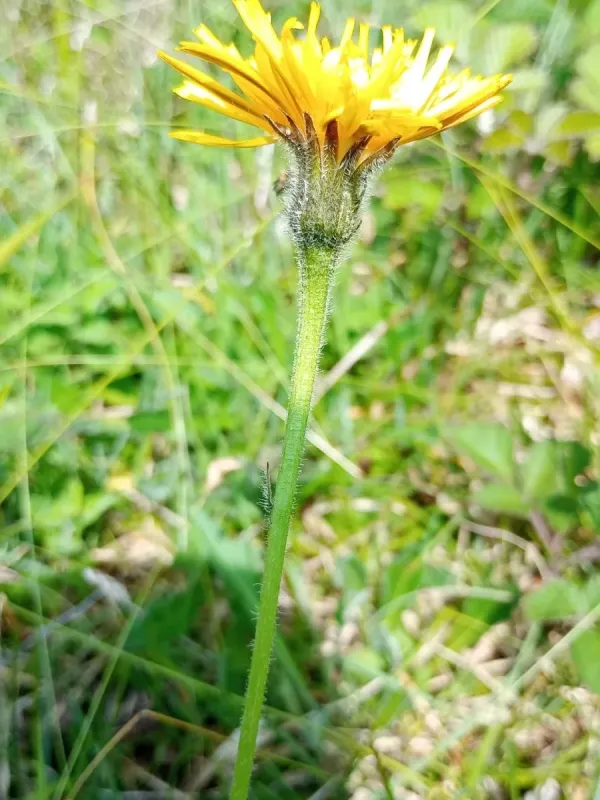
Botanically, it features a basal rosette of pinnatifid leaves and characteristic yellow flower heads. The surface of the plant is covered with coarse hairs, hence its name, which serve as a physiological adaptation.
As a forage crop, it is generally considered palatable for livestock. It contributes to the overall biodiversity and nutritional profile of hay and pasture mixtures, providing essential micronutrients.
Main diseases and pests
Common diseases affecting Leontodon hispidus include powdery mildew, which can significantly damage foliage under high humidity conditions. Fungal infections often reduce the biomass yield of the forage.
Pests, particularly various species of curculionid beetles, target the flower buds and seeds, leading to reduced reproductive efficiency. Aphid infestations during early summer can also stress the plant.
Environmental threats involve competitive exclusion from invasive, rapidly growing grasses or aggressive weeds that may outcompete the rough hawkbit for light and space in a meadow setting.
Effective management requires regular monitoring of plant health and ensuring that the pasture is not overgrazed. Maintaining proper plant density helps mitigate the risk of widespread disease outbreaks.
Crop protection strategies should prioritize biological controls over chemical interventions to maintain the ecological balance of the grasslands where the plant is established.