
Rough hawkbit
Leontodon asperrimus
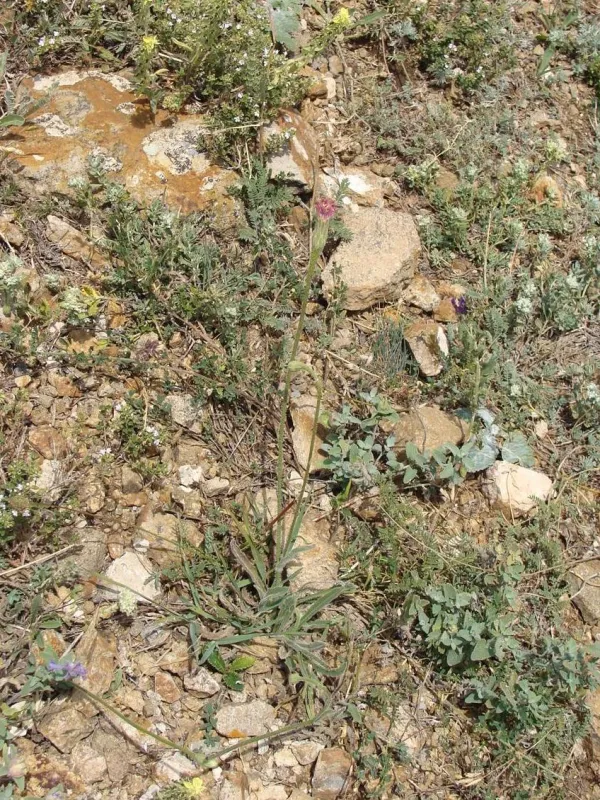
Description
Growing requirements
Rough hawkbit (Leontodon asperrimus) is a perennial herbaceous plant belonging to the Asteraceae family. In agricultural settings, it is primarily recognized as a valuable component of permanent pastures and meadow ecosystems.
The species is native to Southern Europe and Western Asia, where it thrives in dry grassland environments. It is characterized by high drought tolerance, which is supported by its well-developed taproot system.
The crop performs best in well-drained soils, specifically loams or sandy soils with a neutral pH. It requires full sun exposure and is highly sensitive to competition from taller species that create heavy shade.
Botanically, the plant is distinguished by its rough, pubescent leaves, which help reduce transpiration in arid conditions. The basal rosette form ensures the plant remains low to the ground, protecting the growing point from grazing pressure.
Agronomic management focuses on maintaining soil health and preventing overgrazing. The plant exhibits excellent regenerative capacity, allowing it to recover quickly after being grazed or mowed throughout the growing season.
Yield
The primary economic use for Rough hawkbit is as forage for livestock. It provides a nutritious feed source that is highly palatable to both cattle and small ruminants during the spring and early summer.
Yields are largely determined by precipitation levels and the overall health of the grassland ecosystem. In favorable conditions, the plant produces significant biomass that persists throughout the warmer months.
Sustainable grazing practices are essential for maximizing the yield potential of this species. Allowing sufficient recovery time between grazing events prevents root system depletion and promotes long-term stand persistence.
For hay production, the crop should be harvested before reaching the seed maturation stage. Early cutting preserves the essential nutrients in the leaves and stems, ensuring better digestibility for livestock.
Rough hawkbit is often included in pasture improvement seed mixes to enhance the nutritional variety of the forage base, contributing to overall livestock performance in arid regions.
Main diseases and pests
Fungal diseases, particularly powdery mildew, pose a significant risk to the plant during humid conditions. Such infections can drastically reduce the quality of the biomass and overall plant vigor.
Insect pests, including various species of aphids, can infest the inflorescences and stems, causing stunted growth and reducing seed set during the reproductive phase of the plant's life cycle.
Soil-borne pests such as wireworms may damage the root system, making the plant more vulnerable to environmental stress and decreasing its lifespan in the pasture.
Competition from invasive weeds during the establishment phase is a major threat. Effective weed control measures are necessary to ensure the plant successfully establishes its root system in the initial years.
- Powdery mildew
- Aphids
- Wireworms
- Weed competition