
Leontodon crispus
Leontodon crispus
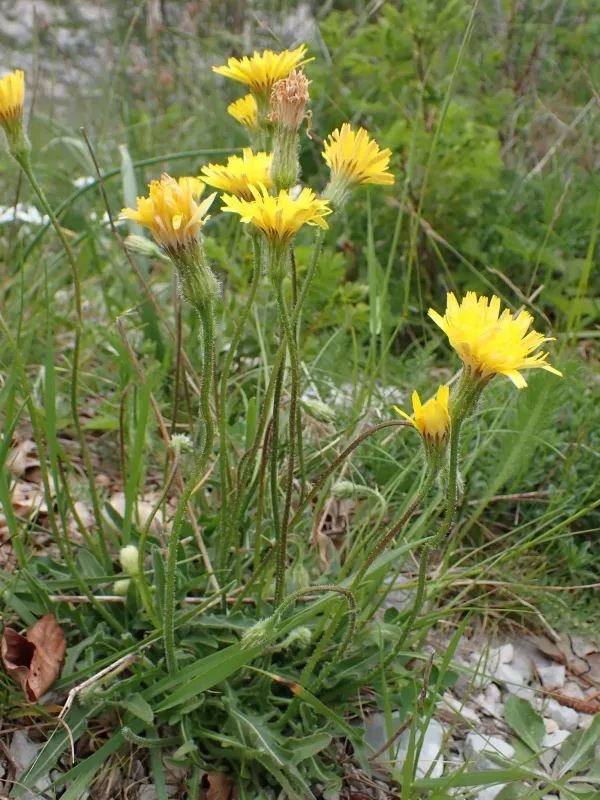
Description
Growing requirements
Leontodon crispus is a perennial herb belonging to the Asteraceae family. Known for its resilience, it is frequently found in semi-natural grasslands and serves as a valuable botanical component in diverse pasture ecosystems across the Mediterranean region and beyond.
The plant thrives in well-drained, sun-exposed soils, including rocky substrates and calcareous slopes. Its ability to tolerate high levels of solar radiation and low precipitation makes it an excellent candidate for ecological restoration of degraded agricultural lands.
Botanically, it is characterized by a basal rosette of crispate leaves, which gave the species its name. This structure facilitates effective gas exchange and nutrient uptake, allowing the plant to remain green even under significant moisture stress during late summer.
From an agricultural perspective, Leontodon crispus contributes to the nutritional diversity of forage. It is rich in secondary metabolites that may aid livestock digestion, and its hardiness reduces the need for expensive soil amendments or intensive irrigation systems.
Management of this species within a farming system focuses on balanced grazing pressure. By maintaining moderate intensity, farmers can ensure the persistence of this species within the sward, maximizing its contribution to total dry matter yield and soil stabilization.