
Leontodon bourgaeanus
Leontodon bourgaeanus
Description
Growing requirements
Leontodon bourgaeanus is a perennial herbaceous plant belonging to the Asteraceae family. Native to the Iberian Peninsula, this plant is well-adapted to the Mediterranean climate, often found thriving in undisturbed grasslands and pastoral environments.
The crop requires well-drained, fertile soil to ensure optimal development. It performs best in areas with high light intensity, as it is a sun-loving plant that depends on solar energy for its intensive spring vegetative phase and subsequent flowering.
Climatic requirements primarily include moderate winters and consistent moisture during the early stages of growth. While it exhibits some tolerance to short-term drought, maintaining soil moisture levels is essential for sustaining high biomass production throughout the season.
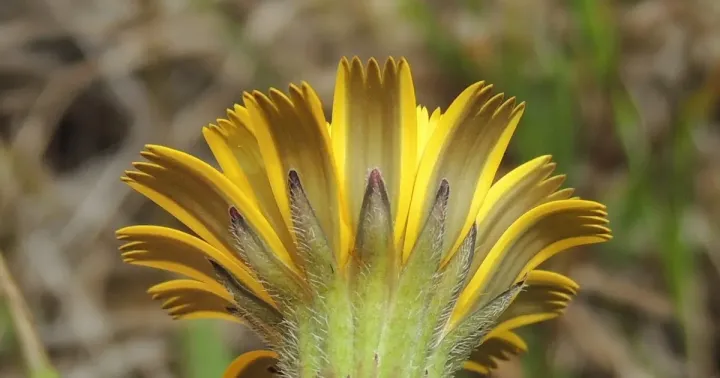
Botanical features include a basal rosette of leaves and striking yellow flower heads situated on slender, leafless stalks. The reproductive system is highly efficient, utilizing wind-dispersed seeds to colonize new areas, which contributes to its resilience in natural habitats.
In terms of agricultural utility, it serves as a valuable component of natural forage. Livestock benefit from its nutritional profile, and its presence in pastures promotes a more diverse and stable botanical composition of the grazing land.
Main diseases and pests
Powdery mildew represents a common pathological threat, especially in humid and poorly ventilated conditions. Management strategies emphasize proper spacing and timely harvesting to avoid the accumulation of fungal spores in the foliage.
Aphids are the primary insect pests affecting the plant during the growing season. They target the tender tissues of the flower stalks and leaves, requiring vigilant scouting and, if necessary, localized control measures.
Root rot, driven by stagnant water in heavy or compacted soils, is a major factor limiting the longevity of the plant. Ensuring excellent soil structure and drainage is a fundamental requirement for long-term successful cultivation.
Weed competition poses a significant challenge during the establishment phase. Because of the relatively slow initial growth rate, mechanical weed control is recommended to ensure that seedlings have sufficient access to sunlight and soil nutrients.
Soil-borne nematodes can sometimes impair the plant's vigor, though they rarely cause total crop failure. Crop rotation and maintaining soil health are effective integrated management practices to minimize these biological risks.