
Leontodon filii
Leontodon filii
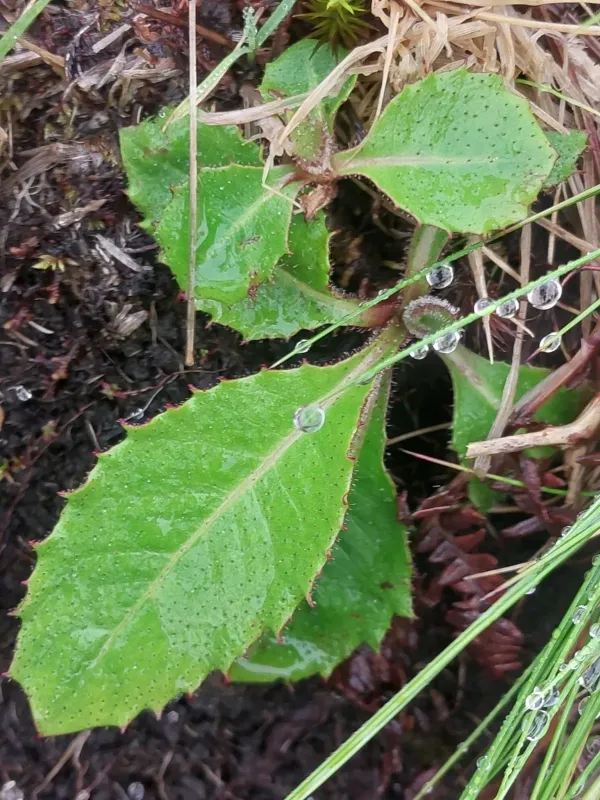
Description
Growing requirements
Leontodon filii is a perennial herbaceous plant belonging to the Asteraceae family. It is a specialized species often found in wild habitats, possessing unique botanical characteristics adapted to variable environments.
The crop thrives in regions with moderate moisture and well-drained soil profiles. Optimal soil pH levels should be neutral to slightly acidic to facilitate nutrient uptake by the fibrous root system.
Regarding climate, the plant exhibits significant cold tolerance, making it suitable for regions with temperate winters. It requires sufficient sunlight for the development of its rosette leaves, which are the primary source of biomass.
Agronomic management involves periodic soil aeration to prevent compaction, which is essential for the healthy growth of this species. It does not require high levels of intensive fertilization, showing efficiency in nutrient utilization.
Weed suppression is critical during the establishment phase. Ensuring that the crop has adequate spacing promotes better air circulation and reduces the risk of moisture-related stress in the plant tissues.
Harvesting
The primary agricultural use of this plant is as a component of livestock forage. Harvesting at the appropriate phenological stage is essential to maximize the crude protein content and overall digestibility of the green material.