
Leontodon biscutellifolius
Leontodon biscutellifolius
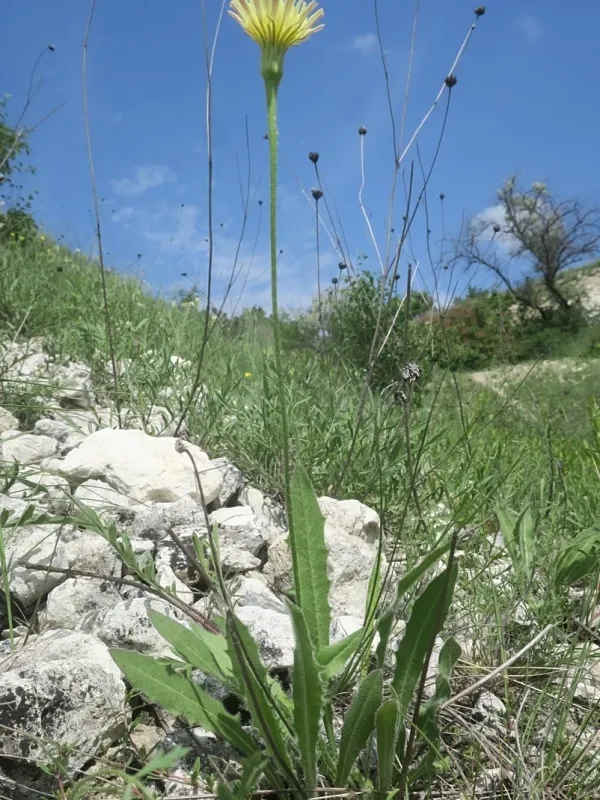
Description
Growing requirements
Leontodon biscutellifolius is a perennial herbaceous plant belonging to the Asteraceae family. This species is gaining interest for its potential usage in specialized agricultural systems and ecological restoration projects.
The plant thrives in well-drained, nutrient-rich soils with a neutral pH profile. It prefers sunny locations, which are essential for its vigorous growth and the development of its distinctive basal leaf rosette.
Climatic requirements are moderate, with the species demonstrating significant resilience to seasonal temperature variations. It is particularly well-suited to temperate zones where rainfall is distributed evenly throughout the growing season.
Agronomic management involves careful soil preparation, including deep tilling to accommodate its strong taproot. Proper spacing is critical to ensure that each individual plant receives sufficient air circulation and nutrient access.
Watering requirements are relatively low once the plant is established. However, during the early stages of seed germination and seedling development, consistent soil moisture must be maintained to ensure a uniform stand.
Main diseases and pests
Pests and diseases are manageable if standard agricultural protocols are strictly followed. Fungal pathogens are the primary concern, especially in areas with poor drainage and high humidity levels throughout the year.
Aphid infestations can occur during the early flowering phase, potentially affecting the quality of the seed harvest. Regular field inspections are necessary to identify potential outbreaks before they spread rapidly.
Root-knot nematodes can also pose a significant threat in intensive cultivation systems. Implementing a diversified crop rotation plan is an effective way to break the life cycle of these persistent soil-borne pests.
Weed management is vital during the first year of production, as the plant is slow to establish its canopy. Mulching or mechanical weeding between rows is recommended to minimize competitive pressure.
Environmental stress, such as extreme heat coupled with drought, can lead to premature senescence of the leaves. Applying biostimulants during these periods can help the crop withstand adverse conditions better.