
Hoary hawkbit
Leontodon incanus
Description
Sowing dates
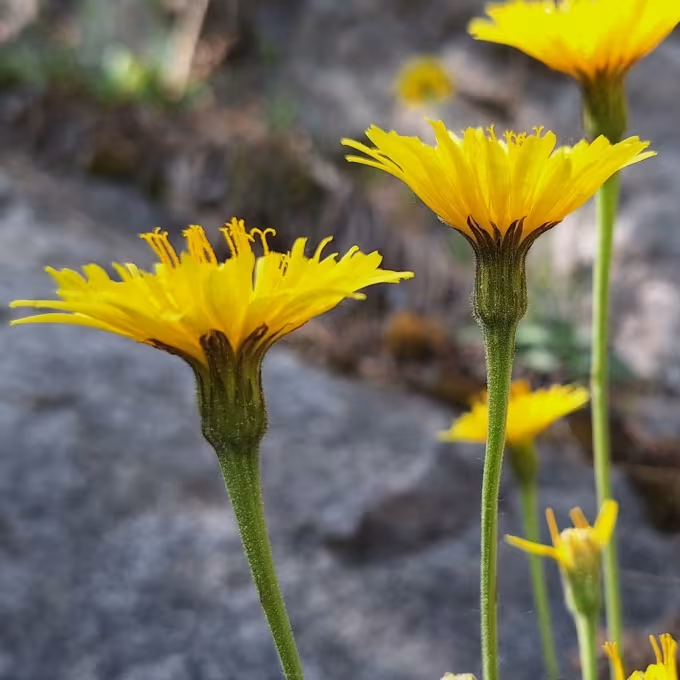
Hoary hawkbit (Leontodon incanus) is a perennial herbaceous plant belonging to the Asteraceae family. In agricultural practices, it is often valued for its resilience in mountain pastures.
Sowing should take place in early spring when the soil temperature consistently reaches 5–8 degrees Celsius. The seeds require very shallow placement, ideally no deeper than 1 cm.
When overseeding, it is important to reduce the vigor of existing grasses to allow the hawkbit to establish itself. Proper seedbed preparation is the foundation for a successful stand.
The plant grows slowly during the first year, focusing its energy on root development. Patience during the establishment phase is essential for long-term productivity.
Using certified, high-germination seeds will significantly improve the success rate of the crop. Uniform distribution during sowing prevents competition between plants.
Growing requirements
This species thrives in calcareous soils with excellent drainage. It is highly intolerant of waterlogged conditions, which can lead to root rot and poor growth.
Being an alpine native, Leontodon incanus is exceptionally hardy and capable of surviving harsh, cold climates. It shows excellent resistance to frost and temperature fluctuations.
The plant requires full sun to reach its full potential. Any shading from taller vegetation will negatively impact its development and overall biomass production.
The soil should have a neutral to slightly alkaline pH. The plant does not require heavy fertilization and performs well even in soils with moderate nutrient availability.
Adequate soil aeration is a key requirement for healthy root system development. Avoiding soil compaction is vital for maintaining high yields over several years.
Yield
While not a high-volume forage crop, hoary hawkbit contributes high-quality nutrients to the pasture. It is particularly palatable for sheep and goats.
Maximum biomass yield is typically observed from the second year onwards. Careful grazing management ensures the plants remain healthy and continue to reproduce.
The nutritional profile of the plant remains relatively stable throughout the vegetative stage. It serves as a good supplement to the primary grass species in a pasture mix.
Proper harvesting timing is crucial for maintaining yield. Cutting too early or too late can affect the vigor of the regrowth for subsequent seasons.
Monitoring the plant density helps in estimating the overall forage availability. Regular maintenance prevents the encroachment of woody species that could reduce yields.
Main diseases and pests
Powdery mildew is the most common fungal disease, typically occurring during periods of high humidity and poor air circulation within the field.
Root rot caused by stagnant water is a significant threat. Ensuring proper drainage is the most effective way to protect the crop from this issue.
Pests such as aphids may occasionally attack the foliage during early spring. Biological control methods are preferred to preserve the health of the pasture ecosystem.
Weed management during the first year is vital, as the crop lacks competitive ability initially. Post-emergence weed control should be handled with care to avoid injury.
Regular field scouting allows for early detection of potential threats. Managing the moisture levels helps mitigate most of the risks associated with fungal infections.
Harvesting
The ideal time for harvesting or grazing is during the full bloom phase, when nutrient concentration is at its peak. This ensures the best quality forage.
When cutting for hay, the height of the mower blade must be set to avoid damaging the basal rosette. This promotes faster recovery of the plants.
Seed harvesting should be performed as soon as the seeds darken but before they disperse. Manual collection or specialized vacuum equipment is recommended.
After harvesting, seeds must be dried thoroughly in a well-ventilated area. Improper drying leads to fungal development and loss of viability.
Storage of the forage requires dry, well-ventilated structures to maintain its quality throughout the winter months. Protecting it from moisture is key.