
Lenten rose
Helleborus orientalis Lam.
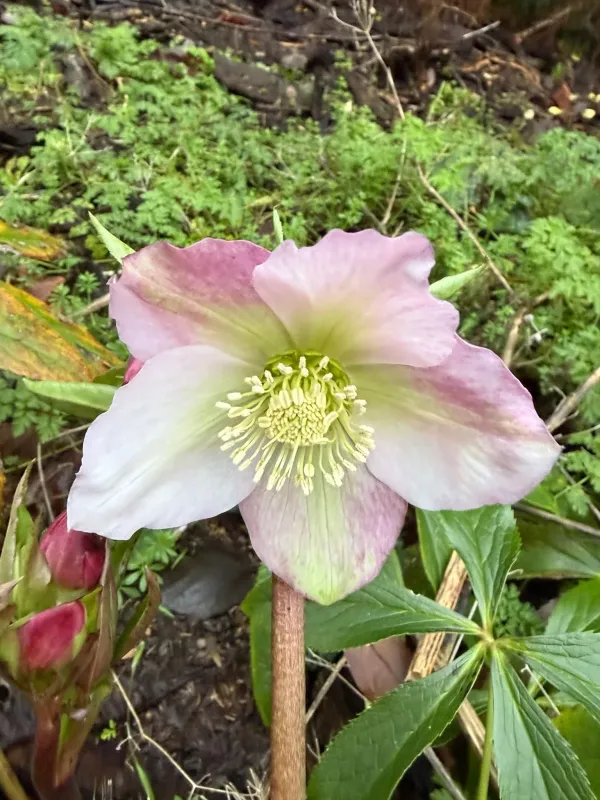
Description
Sowing dates
Propagation of the Lenten rose is primarily achieved through clump division, which is the most reliable method for maintaining the unique characteristics of specific cultivars.
Division is best performed in early spring after flowering or in early autumn, allowing the root system to re-establish before the onset of extreme temperatures.
While seed propagation is possible, it is a slow process that requires a cold stratification period to break seed dormancy and ensure successful germination.
Fresh seeds should be sown in prepared nursery beds or containers immediately after collection, as they lose viability rapidly if allowed to dry out completely.
Seedlings typically take three to four years to reach maturity and produce their first flowers, requiring patience and consistent moisture levels during their development.
Growing requirements
The Lenten rose belongs to the Ranunculaceae family and is highly valued for its evergreen foliage and early blooming season in late winter or early spring.
It thrives in partial to deep shade, making it an excellent candidate for woodland gardening under the canopy of deciduous trees.
The ideal soil is rich in organic matter, well-draining, and slightly alkaline, as acidic conditions can sometimes hinder optimal nutrient uptake.
Consistent moisture is crucial, but the plant is sensitive to waterlogged conditions, which can lead to rapid deterioration of the crown and root system.
Applying a layer of organic mulch, such as leaf compost, helps retain soil moisture, suppresses weeds, and mimics the natural forest floor environment.
Main diseases and pests
Black spot, caused by the fungus Coniothyrium hellebori, is the most common disease affecting the foliage, appearing as dark, necrotic spots on the leaves.
Crown rot and root rot are significant risks in heavy soils that do not provide adequate drainage, especially during wet autumn and spring seasons.
Slugs and snails are the primary pests of Helleborus orientalis, often causing significant damage to young leaves and tender growth in the early spring.
Aphids can also colonize the flowers and developing shoots, potentially spreading viruses that cause foliage mottling and overall plant decline.
Effective management includes maintaining proper sanitation by removing infected leaves, ensuring adequate plant spacing, and applying targeted pest control when necessary.