
Stinking hellebore
Helleborus foetidus L.
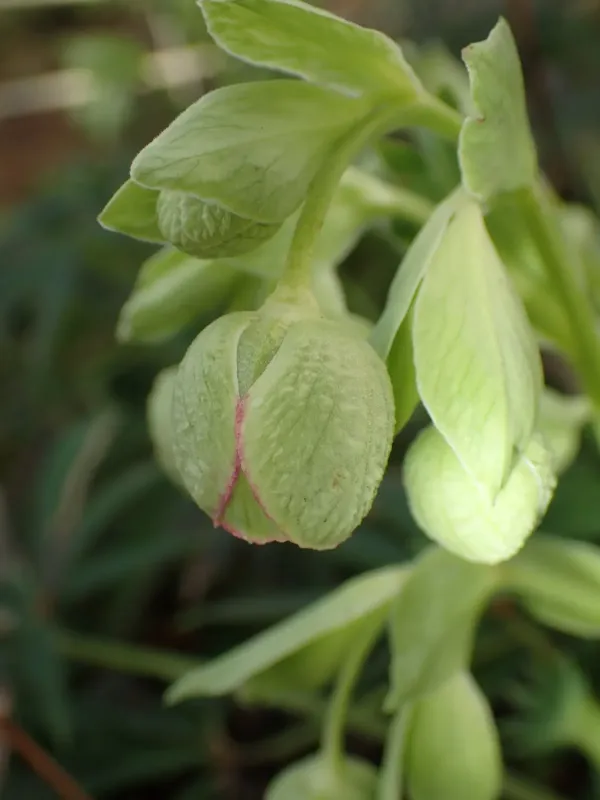
Description
Sowing dates
Sowing seeds of Stinking Hellebore (Helleborus foetidus L.) is most effective immediately after harvest in late summer or early autumn. Fresh seeds have high viability, whereas stored seeds may experience significant dormancy and germinate poorly.
The seeds require a period of cold stratification to break dormancy. Sowing them directly into outdoor seedbeds allows nature to provide the necessary temperature fluctuations throughout the winter, ensuring successful spring germination.
When sowing, place seeds about 1-2 centimeters deep in a well-draining, humus-rich soil mix. It is crucial to maintain a moist but not waterlogged environment to prevent the seeds from drying out or rotting.
Seedlings develop into small rosettes during their first year and grow at a moderate pace. They should be protected from harsh sun and competing weeds to ensure their steady establishment in the garden landscape.
Propagation can also be performed via division, though the plant is sensitive to root disturbance. If division is necessary, it should be done in early spring with minimal damage to the primary root system.
Growing requirements
Stinking Hellebore is a hardy evergreen perennial belonging to the Ranunculaceae family. It is native to Western and Southern Europe, where it thrives in open woodlands, scrublands, and rocky limestone-based habitats.
The culture prefers alkaline or neutral soils that are rich in organic matter. A key requirement for success is excellent drainage; the plant is highly susceptible to root rot if grown in heavy, water-retaining clay soils.
Regarding climate, this species is very cold-tolerant and capable of surviving harsh winters. It prefers a sheltered position in partial shade, though it can adapt to sunnier locations if soil moisture remains consistent.
Maintenance involves seasonal mulching with leaf mold or well-rotted compost, which helps mimic the plant's natural forest-floor environment. This practice provides essential nutrients and preserves soil moisture during growing seasons.
The plant is known for its architectural form, featuring deep green, palmately divided leaves and clusters of bell-shaped, chartreuse flowers. It provides structure and winter interest, making it a valuable addition to woodland gardens.
Main diseases and pests
Leaf spot caused by fungal pathogens, specifically Coniothyrium hellebori, is the most common disease. Affected leaves should be pruned away promptly and disposed of to reduce the spread of fungal spores across the garden.
Aphids are the primary insect pests that attack the plant, particularly during the flowering stage. These insects congregate on the inflorescences and young shoots, requiring insecticide treatment if infestations become heavy.
Slugs and snails can cause damage to the tender foliage in early spring. Protecting young plants with physical barriers or organic baits is recommended in areas where these pests are particularly abundant.
Root rot is essentially a management issue caused by poor drainage. By selecting a well-aerated site and avoiding excessive irrigation, gardeners can easily mitigate the risk of losing plants to soil-borne pathogens.
It is important to note that Helleborus foetidus is toxic if ingested and may cause skin irritation upon contact. Always wear gloves when handling the plant during pruning or maintenance to ensure personal safety.