
Christmas rose
Helleborus niger L.
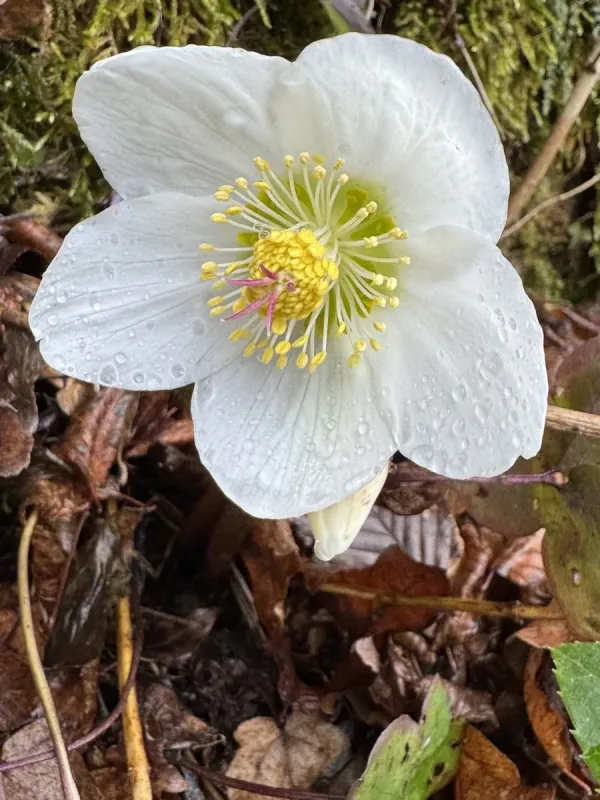
Description
Sowing dates
Propagation of the Christmas rose is primarily achieved through division of mature clumps. This operation should be performed in early autumn, allowing the plants to establish new root systems before the onset of winter dormancy.
Seed propagation is possible but challenging, as the seeds require a period of cold stratification to overcome natural dormancy. Freshly harvested seeds should be sown immediately in moist, sterile compost to maximize germination rates.
When dividing, ensure each new section contains at least three healthy growth buds or crown portions. This ensures that the newly transplanted units possess sufficient energy reserves to thrive in their new location.
Planting depth is critical; the crown of the plant should be positioned just below the soil surface. Planting too deep can prevent flowering, while planting too shallow risks root desiccation and cold injury during severe frost.
Spacing between individual plants should ideally range from 30 to 45 centimeters. Adequate spacing promotes essential air circulation, which is a primary defense against the development of foliage diseases in damp conditions.
Growing requirements
Helleborus niger, commonly known as the Christmas rose, is a resilient herbaceous perennial in the family Ranunculaceae. It is native to the mountainous regions of Central and Southern Europe, flourishing in limestone-rich forests.
The crop requires deep, fertile, and well-drained soil with a neutral to alkaline pH level. It performs exceptionally well in locations that mimic forest conditions, such as woodland gardens or sheltered spots beneath deciduous trees.
Providing partial shade is essential, as the plant dislikes the intensity of direct midday sunlight. Protection from wind is also beneficial, as it helps preserve soil moisture and prevents physical damage to the early spring blooms.
Watering requirements are moderate; the soil should be kept consistently moist but never waterlogged. During the peak of summer, mulch application helps regulate soil temperature and retains humidity around the root zone.
The plant is renowned for its hardiness, capable of surviving sub-zero temperatures with ease. Maintenance involves trimming away dead or damaged leaves in late winter to make space for emerging buds and flowers.
Main diseases and pests
Leaf spot caused by Coniothyrium hellebori is the most prevalent fungal disease affecting this crop. Symptoms appear as circular dark spots on the leaves, necessitating the prompt removal of infected foliage to contain the pathogen.
Grey mould (Botrytis cinerea) can become a significant problem in environments with high humidity and poor airflow. Managing the density of the planting is the most effective cultural control method to prevent infection.
Slugs and snails are the most persistent pests, often causing significant damage to young shoots and leaves. The use of physical barriers or organic bait traps is often required during the wet spring months to protect the crop.
Root rot is usually an indicator of poor soil drainage. Since Helleborus niger is sensitive to stagnant water, ensuring a high-quality drainage profile in the soil is a fundamental step in the initial planting phase.
Aphids can be problematic during the blooming season, feeding on the developing flower buds. While rarely fatal, they can distort growth, so timely monitoring and the use of targeted treatments are recommended for high-quality production.