
Dark-red hellebore
Helleborus atrorubens Waldst. & Kit.
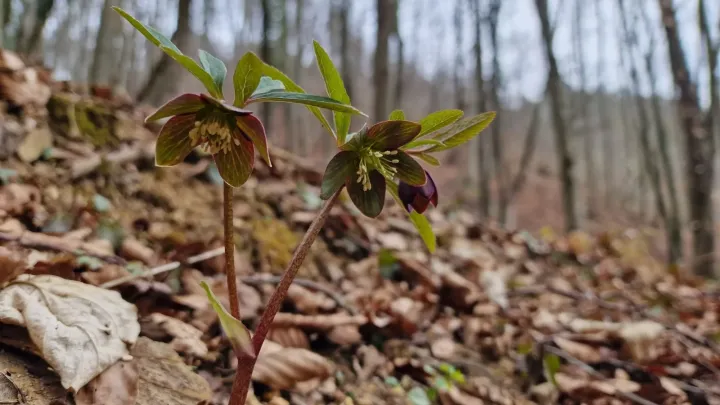
Description
Sowing dates
Propagation of Helleborus atrorubens is typically achieved through fresh seed sowing in late autumn to ensure natural cold stratification during winter.
Seeds require a consistent period of cold temperature to break dormancy, so sowing outdoors is more effective than indoor cultivation.
Vegetative propagation by division is the preferred method for maintaining varietal characteristics, ideally performed in early spring or late August.
When dividing, ensure each new piece of the clump has at least two or three healthy buds and a portion of the root system attached.
Young plants grown from seed are slow to establish and generally do not bloom until their third or fourth year of growth in the garden.
Growing requirements
The dark-red hellebore is a member of the Ranunculaceae family, valued for its unique dark-pigmented flowers and early flowering period.
Native to the woodlands of Southeastern Europe, this species thrives in locations that provide dappled shade and protection from harsh midday heat.
The ideal soil is moisture-retentive, rich in organic humus, and well-drained, with a slightly alkaline or neutral pH level to ensure nutrient uptake.
While the plant is hardy and adapts well to various conditions, it requires consistent moisture during the growing season without waterlogging the roots.
Adding organic matter like compost or leaf mold to the soil profile improves structure and provides the slow-release nutrition needed for vigorous foliage.
Main diseases and pests
Leaf spot caused by fungal pathogens is the most common concern, manifesting as dark, sunken lesions on the foliage during wet seasons.
Root and crown rot can occur in poorly drained soils, often leading to sudden decline or plant death during dormant winter months.
Aphids and slugs are significant pests that frequently damage developing flower buds and young foliage if left unchecked by garden monitoring.
Maintaining good airflow around the plants and avoiding overhead watering significantly reduces the incidence of fungal and bacterial infections.
- Removing and destroying infected plant debris.
- Applying preventive fungicidal treatments in spring.
- Monitoring for slugs and using appropriate baits.