
Corsican hellebore
Helleborus argutifolius Viv.
Description
Sowing dates
Seeds of the Corsican hellebore require a period of cold stratification to germinate successfully. It is best to sow them outdoors in late autumn, allowing the winter chill to break their dormancy naturally.
When propagating by division, carefully lift the established clumps in late summer or early autumn. This allows the roots to establish in the warming soil before the onset of the harsh winter temperatures.
Planting depth is crucial for the seedlings; they should be placed at the same level they grew in their pots to avoid root rot. Space individual plants at least 45–60 cm apart to ensure good air circulation.
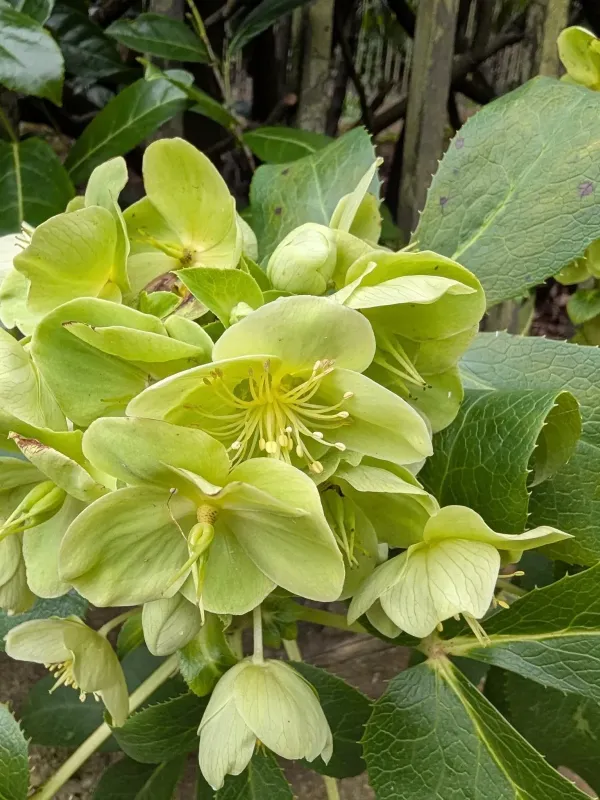
The Corsican hellebore belongs to the Ranunculaceae family and is native to the islands of Corsica and Sardinia. It is highly valued for its leathery, serrated, evergreen foliage and pale green, cup-shaped flowers.
While slow to establish, these perennials provide long-lasting beauty in the garden landscape. Consistent moisture during the first year is essential for the healthy development of their taproot system.
Growing requirements
This species thrives in sunny to partially shaded locations. It is more tolerant of full sun than most other Helleborus species, provided the soil moisture is kept consistent throughout the growing season.
Soil requirements include excellent drainage, as the plants are highly susceptible to root rot in waterlogged conditions. A fertile, neutral, or slightly alkaline soil structure is ideal for optimal growth.
The plant is relatively drought-tolerant once established but benefits from supplemental irrigation during prolonged dry spells. Adding organic matter, such as compost or leaf mold, improves both soil texture and fertility.
It prefers climates with mild winters, being hardy in many regions, but it may require light mulch protection in areas with extremely cold winter temperatures. Proper mulching helps maintain soil moisture and protects the crown.
Maintenance involves cutting back old, tattered, or diseased foliage in early spring before the new flowers open. This practice encourages a flush of fresh, healthy leaves and keeps the plant looking tidy.
Main diseases and pests
Leaf spot diseases are common, especially in humid or poorly ventilated areas. Regular monitoring and the removal of infected leaves are vital to preventing the spread of fungal pathogens.
Aphids can cause damage to the flower buds and young shoots. If a significant infestation occurs, applying organic insecticidal soaps can manage the population without harming beneficial pollinators.
Slugs and snails often feed on the young foliage during spring. Barriers made of crushed eggshells or sand around the base of the plant can provide effective physical protection against these pests.
Root rot is the most common cause of failure in this species. It is usually caused by heavy, compacted soils that trap moisture around the crown, so proper site selection is essential for longevity.
Hellebore necrosis virus may manifest as blackened streaks on leaves. There is no cure for this viral infection; therefore, affected plants should be removed and destroyed to protect nearby healthy specimens.