
Helleborus hybridus
Helleborus x hybridus hort. ex Voss
Description
Sowing dates
Helleborus hybridus is a group of perennial herbaceous plants belonging to the Ranunculaceae family, developed through complex cross-breeding of various Helleborus species. Growing them from seed is a long-term gardening project.
The best time to sow seeds is in the autumn, immediately after they have been collected. Fresh seeds require a period of cold stratification, which occurs naturally if they are sown outdoors in prepared soil.
For seeds purchased in spring, artificial stratification is mandatory. Placing seeds in a moist medium within a refrigerator for two months mimics the natural winter conditions necessary to break seed dormancy.
Seedlings show slow development and may take three to four years to reach flowering maturity. Because of this slow growth, most home gardeners prefer purchasing established nursery-grown plants.
Vegetative propagation is the most reliable way to reproduce specific cultivars. Dividing the parent plant in early spring or late August ensures that the new plant will retain the exact characteristics of the mother plant.
Growing requirements
These plants thrive in semi-shaded locations, preferably under the canopy of deciduous trees. This environment mimics their natural habitat, providing filtered sunlight and protection from harsh midday heat.
The soil must be fertile, rich in humus, and possess excellent drainage properties. While they appreciate moisture, they strictly avoid waterlogged conditions, which will quickly lead to crown rot.
A neutral to slightly alkaline pH level is ideal for healthy development. Incorporating organic matter such as leaf mold or well-rotted compost during planting provides the necessary nutrients for long-term health.
Consistent watering during the growing season is essential, especially in regions with hot, dry summers. Mulching the base of the plant helps maintain soil moisture levels and keeps the roots cool.
Helleborus hybridus is remarkably winter-hardy and requires no special protection from frost. Its ability to bloom in late winter or early spring makes it a prized addition to the garden.
Yield
The primary use of Helleborus hybridus is in ornamental horticulture and landscape design. It is highly valued for its ability to produce flowers when most of the garden remains dormant.
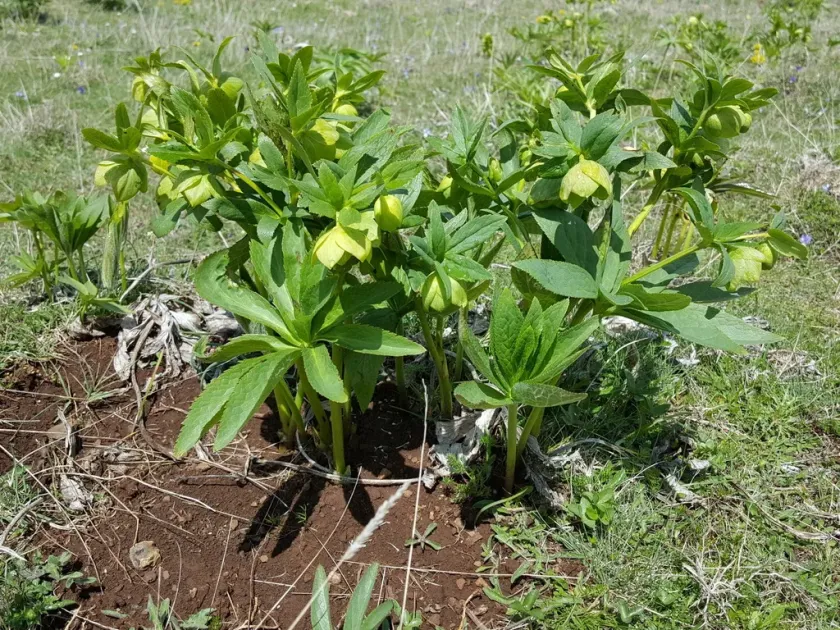
The plant grows into a compact, evergreen clump reaching heights of 30 to 50 cm. Its leathery, dark green foliage remains attractive throughout the year, providing a consistent structural element in garden beds.
The diversity of floral colors is vast, ranging from pure white and soft pink to deep maroon, slate, and near-black shades. Many cultivars also feature intricate spotting on the petals.
In landscaping, these plants are often utilized in woodland borders, shaded beds, and rock gardens. They pair beautifully with other shade-loving plants such as ferns, hostas, and spring-flowering bulbs.
While the initial cost of quality cultivars is relatively high due to the slow propagation process, their extreme longevity makes them a worthwhile investment for any perennial garden.
Main diseases and pests
The most significant fungal threat is leaf spot, caused by Coniothyrium hellebori, which creates unsightly black lesions on the leaves. Removing and destroying affected foliage is the primary control method.
Root and crown rot are common physiological problems resulting from poor soil drainage or excessive irrigation. Ensuring proper site selection is the best preventative measure for long-term vitality.
Slugs and snails can be highly destructive to young foliage and tender flower buds. Protecting plants with physical barriers or eco-friendly slug bait is often necessary during the active growing season.
Aphids may occasionally attack emerging flower stalks. While usually not fatal, heavy infestations should be treated with appropriate insecticides to preserve the aesthetic quality of the blooms.
Gardeners should handle the plants with care, as all parts of the Helleborus are toxic if ingested. Wearing gloves during maintenance is recommended to avoid potential skin irritation from plant sap.