
Corsican Hellebore
Helleborus lividus Aiton x Helleborus niger L. x Helleborus x hybridus hort. ex Voss
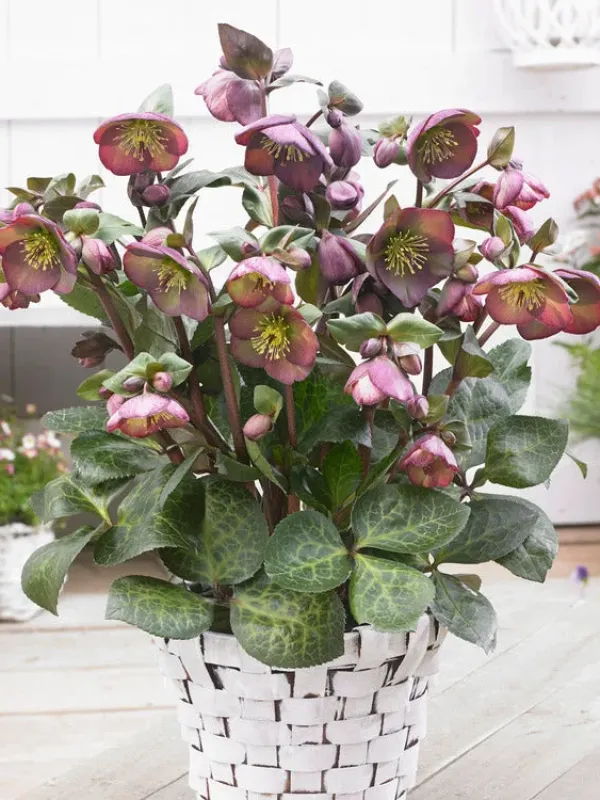
Description
Growing requirements
The Corsican Hellebore is a perennial evergreen herbaceous plant belonging to the Ranunculaceae family. It is a complex hybrid originating from the crossing of species such as Helleborus lividus and Helleborus niger, resulting in a vigorous, architecturally striking plant suitable for temperate climates.
This crop thrives in partial shade and requires well-drained, nutrient-rich soil with a neutral to slightly alkaline pH. It is sensitive to stagnant water, which can lead to root rot, so proper site selection with adequate drainage is a critical prerequisite for healthy development.
Botanically, the plant is distinguished by its rigid, serrated, leathery leaves and large, cup-shaped, pale green flowers that emerge on sturdy, upright stems. Unlike many other hellebore species, its foliage remains highly attractive throughout the seasons, contributing to its ornamental value.
In terms of agricultural management, the plant is relatively low-maintenance once established. It benefits from mulching with organic matter, which helps maintain soil moisture and provides essential nutrients throughout the growing season.
The primary use of this culture is decorative landscape design, including borders, woodland gardens, and containers. Due to its toxicity, it is naturally resistant to deer and rabbit grazing, making it an ideal choice for gardens located in rural or wild areas.
Main diseases and pests
Common fungal diseases such as leaf spot (caused by Coniothyrium hellebori) and botrytis blight are significant threats that can develop rapidly in poor air circulation conditions and high humidity.
Aphids and spider mites are the most frequent insect pests, often colonizing the undersides of the leaves, which leads to chlorosis and potential defoliation if left unmanaged for an extended period.
Slugs and snails can cause substantial damage to emerging spring foliage and developing flower buds, often requiring the use of physical barriers or targeted bait to protect the aesthetic integrity of the plant.
Cultural control is the most effective approach: ensuring proper spacing between plants to allow for airflow and removing dead or diseased foliage promptly reduces the fungal spore load in the garden.
Chemical intervention should be considered a secondary option, used only when environmental conditions are persistently conducive to disease outbreaks, ensuring that the application of agents does not harm beneficial pollinators during the flowering phase.