
Helleborus lividus
Helleborus lividus Aiton
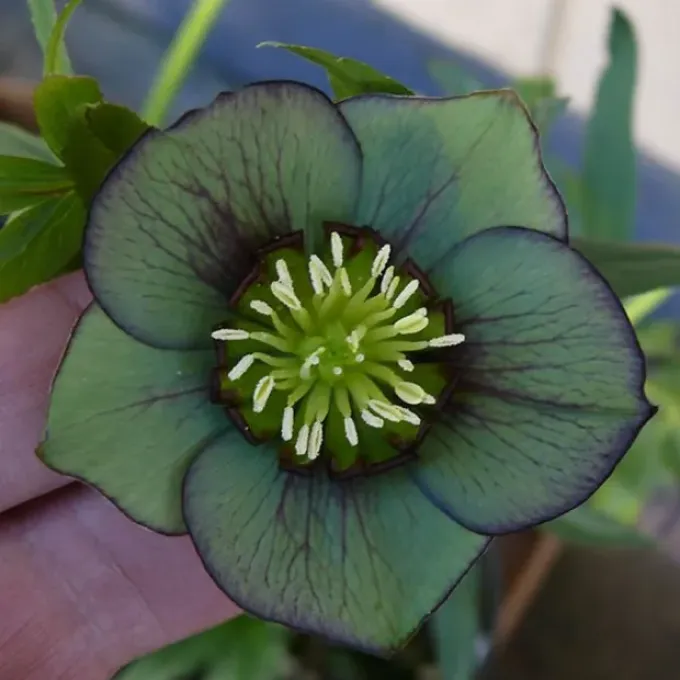
Description
Sowing dates
Sowing of Helleborus lividus seeds should be performed immediately after harvest in late summer, as the seeds lose viability quickly if allowed to dry out.
Cold stratification is essential for successful germination; therefore, outdoor autumn sowing is considered the most reliable agricultural practice.
If utilizing a nursery tray method, use a well-draining, gritty seed-starting medium to prevent damping-off, which is common in stagnant conditions.
Gardeners should note that germination is often erratic and may take over a year to complete depending on the specific environmental conditions.
Transplanting young seedlings into their permanent location should occur during early spring to allow for root establishment before the summer heat.
Growing requirements
This species belongs to the Ranunculaceae family and is native to the island of Mallorca, which characterizes it as a distinctly warm-temperate plant.
The crop thrives in well-draining, alkaline to neutral soils; it is vital to avoid heavy clay or waterlogged soils that compromise the root system.
It prefers dappled shade or partial sun, as excessive heat can scorch its characteristic, leathery, often marbled, evergreen foliage.
While aesthetically prized, Helleborus lividus has limited frost tolerance and requires sheltered garden spots or greenhouse cultivation in colder regions.
Maintenance should include moderate watering during growth phases and a light layer of organic mulch to keep the roots cool and moist.
Main diseases and pests
Leaf spot diseases are a primary concern, triggered by prolonged humidity and poor air circulation around the dense foliage of the plant.
Root rot often occurs due to excessive irrigation or planting in soil that lacks sufficient drainage, leading to rapid decay of the rhizome.
Aphids and leaf miners are the most frequent insect pests, which can cause significant structural and cosmetic damage to the plant leaves.
Slugs and snails frequently target young shoots and developing flower buds during wet spring weather, necessitating active control measures.
- Regular monitoring for early signs of fungal infection.
- Proper plant spacing to enhance airflow and prevent disease.
- Strategic use of slug baits during vulnerable growth periods.